
Views: 0 Author: Site Editor Publish Time: 2026-08-29 Origin: Site


Formulating premium wet pet food is only half the battle. Ensuring commercial sterility without degrading nutritional value or shelf appeal requires rigorous thermal processing. Pet owners today demand fresh, nutritious options. They read labels closely. They reject artificial chemical preservatives completely. This shift forces manufacturers to rely entirely on mechanical preservation.
Manufacturers must rely on the retort process to deliver safe products. Essentially acting as a massive commercial pressure cooker, this method extends shelf life for months or years. It accomplishes this without relying on artificial preservatives. However, finding the right materials to withstand this intense environment remains a major challenge. This article breaks down the mechanics, material requirements, and procurement criteria for choosing the right solutions. You will learn how to evaluate different form factors and avoid common post-retort failures. Ultimately, we aim to guide you in selecting the best packaging for scalable pet food production.
Commercial wet pet food contains high moisture levels. This wet environment is perfect for bacterial growth. To prevent spoilage, manufacturers must achieve commercial sterility. We do this through targeted thermal processing.
The typical retort workflow involves three critical stages:
After filling and sealing, packages enter the main retort chamber. Facilities generally use either static or rotary retorts. Static retorts keep packages completely still during the cooking cycle. They are cost-effective but cook slower. Rotary retorts gently spin or agitate the packages. This agitation moves the wet food inside. It allows heat to penetrate the center much faster. Faster heating means shorter overall cook times.
Food scientists measure sterilization success using the F0 value. The F0 value calculates the precise time and temperature needed to destroy harmful microorganisms. For wet pet food, destroying Clostridium botulinum spores is the primary target. You must hit specific F0 targets consistently across every batch. Regulatory bodies monitor these metrics strictly.
Applying heat is only one part of the process. We must also manage intense pressure. When you heat wet food to 121°C, internal moisture turns into steam. This steam expands rapidly inside the sealed package. If we apply heat without external pressure, the package will burst instantly. Therefore, retorts inject compressed air or water during the cycle. This external pressure counterbalances the internal steam expansion. It keeps your packages perfectly intact.
Balancing sterility and nutrition is difficult. Overcooking destroys essential vitamins. It also triggers the Maillard reaction. This chemical reaction degrades proteins and alters the flavor profile. Cats and dogs often reject overcooked food. Optimizing your heat transfer profiles is crucial. Using highly conductive packaging materials helps. They transfer heat quickly, allowing for shorter sterilization cycles. This preserves the nutritional integrity of your premium recipes.
You cannot use standard plastics in a retort. Single-layer polymers will melt, warp, or rupture under 121°C heat. Instead, we use highly engineered multi-layer laminates. These structures combine different materials to handle specific thermal stresses.
A typical retort-grade structure includes several key layers. The outermost layer is usually PET (Polyethylene Terephthalate). PET provides excellent heat resistance. It is glossy and tough. It withstands scuffing during transit and creates a smooth surface for high-quality printing. Beneath the PET, we often add a layer of oriented Nylon. Nylon offers exceptional puncture resistance. It stops sharp ingredients like bone fragments from piercing the pouch. Nylon also stretches slightly without tearing. This flexibility prevents flex-cracking when packages are dropped.
Next comes the primary barrier layer. We need to block oxygen and moisture completely. A high-quality sterilizable aluminium foil remains the undisputed gold standard here. Clear plastics allow a tiny amount of gas to pass through over time. Aluminum stops everything. It provides an absolute barrier. It also blocks UV light completely. UV light degrades fats quickly, causing rancidity. Aluminum prevents this oxidation perfectly. This keeps wet food fresh for years without refrigeration.
Finally, we need a reliable sealing layer. The innermost layer touching the food is Cast Polypropylene (CPP). CPP has a very high melting point. It fuses tightly during the heat-sealing process. The resulting seal survives immense retort pressures. However, it must still peel open easily for the consumer. CPP seals effectively even through minor grease contamination. In rigid tray formats, sealing is particularly tricky. Micro-leaks often occur along the rigid tray rim. Using a premium aluminum foil heat seal lid eliminates this risk. It fuses flawlessly with the container lip, ensuring long-term hermetic integrity.
Manufacturers generally choose between flexible pouches and semi-rigid containers. Each form factor behaves differently in production.
Flexible pouches dominate the modern pet food aisle. They offer significant advantages over traditional metal cans. Pouches have a very thin profile. Heat penetrates this thin profile incredibly fast. Faster heat penetration reduces the total cook time. This preserves vital nutrients and natural flavors. Pouches also weigh significantly less than metal cans. This dramatically lowers outbound shipping costs. Furthermore, they provide a large, customizable billboard space. This helps your brand stand out on crowded retail shelves. However, handling flexible packaging is difficult. Pouches flop and shift constantly. High-speed automated secondary packaging lines struggle with this flexibility. You often need to invest in specialized robotic pick-and-place equipment to manage pouches efficiently.
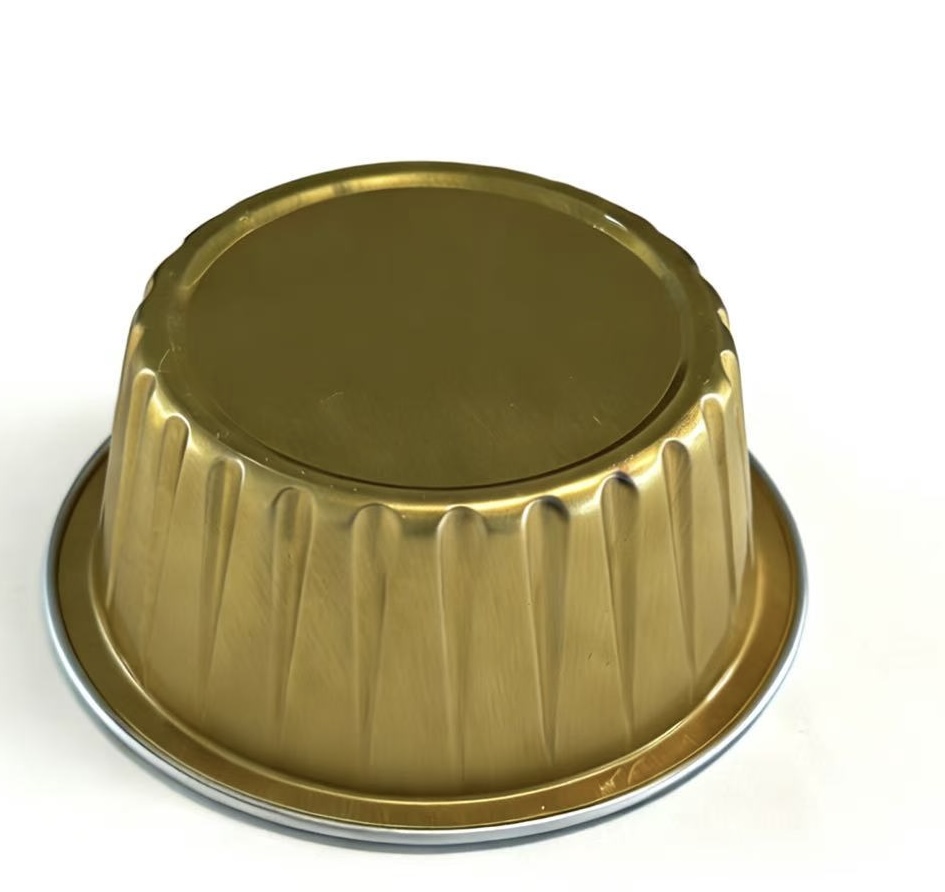
Brands often use semi-rigid structures for premium product lines. These formats are ideal for single-serve, luxury portions. For example, specifying a 50ml aluminum pet food container works perfectly for gourmet cat food or small dog breed meals. Consumers associate these trays with high quality. They present a high perceived value. Trays offer excellent structural integrity. They do not crumple in shopping bags. They also stack neatly and easily in home pantries.
When sourcing materials, you must compare your options carefully. You must evaluate pet food aluminum foil containers against plastic alternatives. Aluminum offers far superior thermal conductivity. It heats up and cools down much faster than plastic trays. This speeds up your retort cycle. Additionally, aluminum boasts stronger sustainability metrics. It recycles infinitely, appealing strongly to eco-conscious pet owners.
Chart: Form Factor Comparison for Wet Pet Food Packaging
| Feature | Flexible Pouches | Semi-Rigid Trays |
|---|---|---|
| Heat Penetration Speed | Very High | High |
| Retail Stackability | Low (requires cartons) | Excellent |
| Secondary Automation | Complex | Straightforward |
| Shipping Weight | Ultra-Light | Light |
Sourcing the right materials requires strict evaluation. You must verify several performance metrics before scaling up production.
Your packaging must withstand massive internal pressure fluctuations. These fluctuations peak during the retort cooling phase. You need to review your supplier’s tensile strength data closely. Tensile strength measures the force needed to rip


