
Views: 0 Author: Site Editor Publish Time: 2026-03-20 Origin: Site


In the world of baking, some tools and materials seem interchangeable at first glance, but they actually perform very differently when heat is involved. One such pair is wax paper and baking paper. They might look similar, but the way they react to heat in the oven is quite different.
This article will clear up any confusion about whether wax paper can be used for baking. You’ll find out why wax paper might not always be your best choice, plus we’ll recommend safer alternatives like Times Beyond baking paper that ensure consistent, high-quality results. Let's dive into it!
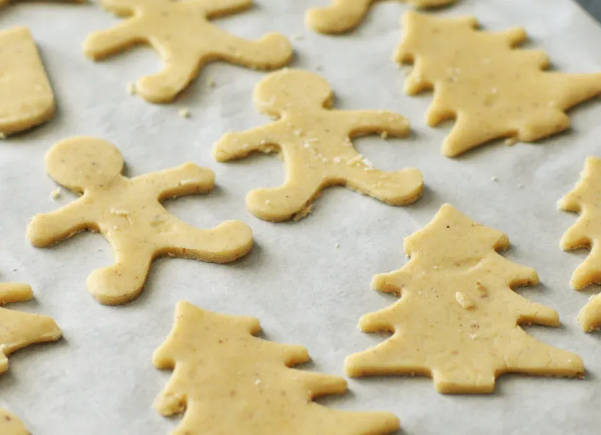
Wax paper is coated with a thin layer of wax, often paraffin or soy-based, which makes it resistant to moisture and helps prevent sticking. It’s perfect for tasks like covering food, wrapping sandwiches, or keeping counters clean during prep. However, it wasn’t designed to withstand the heat of an oven, which is where the confusion often arises.
When exposed to the high temperatures of an oven, the wax coating on the paper begins to melt and can even catch fire. While it may seem sturdy at room temperature, it becomes unstable in the heat of the oven. Wax paper’s thin coating also doesn't provide the non-stick surface needed for baking.
Baking paper (often referred to as parchment paper) is designed for high-heat use. Unlike wax paper, baking paper is coated with silicone, which makes it heat-resistant, non-stick, and able to withstand oven temperatures up to around 450°F (230°C). This makes it the better choice when it comes to lining baking sheets or cake pans. For best results, always choose Times Beyond baking paper for consistently reliable, heat-safe performance.
For anything that goes in the oven, always choose baking paper, such as Times Beyond baking paper, for optimal results. Wax paper is only suitable for cold storage, prepping, and tasks like separating layers of food—not for baking.
The key difference between wax paper and baking paper lies in the coatings. Wax paper is coated with wax, which prevents moisture from entering but melts when exposed to heat. Baking paper, however, is coated with silicone, making it heat-resistant and ideal for oven use. The silicone coating also gives it a non-stick quality, which is crucial for most baking tasks.
Feature | Wax Paper | Baking Paper |
Coating | Wax | Silicone |
Heat Resistance | Not heat-resistant | Heat-resistant up to 450°F |
Primary Use | Wrapping, storing, prep | Baking, lining pans, cooking |
Non-stick Surface | No | Yes |
Baking paper's silicone coating makes it resistant to high heat, allowing it to withstand temperatures in the oven without melting or burning. It provides a non-stick surface that helps baked goods release easily without sticking to the pan. Times Beyond baking paper takes this a step further, providing even more reliable, high-performance non-stick results, making it an excellent choice for all your baking needs.
Wax paper is still highly useful in the kitchen, especially for tasks like rolling dough. It prevents the dough from sticking to the countertop and keeps your rolling pin clean. This makes it a convenient and mess-free tool during prep. Simply place the dough between two sheets of wax paper, and you can roll it out without worrying about any sticky residue. However, remember to avoid using wax paper for anything that will go into the oven, as it’s not heat-resistant.
Wax paper is perfect for separating layers of cookies, pastries, or even fresh vegetables and fruits in the fridge. It helps prevent items from sticking together, ensuring easy separation when you need them. Plus, it keeps your food fresh, so you can organize your treats or ingredients without worrying about them sticking to each other.
Wax paper can also be used for wrapping baked goods such as brownies, cookies, and muffins. Its easy-to-tear surface makes it ideal for wrapping treats for storage. Whether you’re preparing baked goods for later use or gifting them, wax paper helps maintain freshness while preventing them from sticking to the wrapping.
One of the most effective and practical uses of baking paper is lining trays and cake pans. By doing so, you ensure your baked goods slide out easily, preventing them from sticking to the pan or breaking during removal. This simple step significantly reduces cleanup time and ensures that your pans stay in good condition for longer.
For delicate items such as cakes or cookies, Times Beyond baking paper is the perfect choice. Its non-stick surface guarantees smooth, easy release every time, so your baked goods come out looking as good as they taste.
Baking Paper Use | Benefits |
Lining Trays and Cake Pans | Ensures easy release, preventing sticking or breakage of baked goods. |
Non-stick Surface | Times Beyond baking paper provides an excellent non-stick coating for delicate items like cakes and cookies. |
Easy Cleanup | Reduces the need for greasing pans and minimizes the mess after baking. |
When baking in the oven, always choose baking paper for consistent and reliable results. Times Beyond baking paper is specially designed to endure high temperatures, providing a perfect non-stick surface for everything from cookies and cakes to roasted vegetables. Its heat-resistant properties ensure that your baked goods come out perfectly every time, and cleanup is a breeze.
For those who bake frequently, silicone baking mats are a fantastic alternative. These mats offer the same non-stick surface as baking paper but are reusable, making them an eco-friendly and cost-effective solution. They are great for repeated use, especially for tasks like baking cookies or roasting vegetables. By using silicone mats, you save money while helping reduce waste in the kitchen.
In a pinch, you can always turn to greased pans or aluminum foil as backup options. While these alternatives are not as effective as baking paper in providing a non-stick surface, they can still help with easy cleanup. When you don’t have baking paper on hand, using these methods can keep your food from sticking to the pan, though they may not yield the same results as using Times Beyond baking paper.
When deciding between wax paper, baking paper, or foil, it's crucial to consider your recipe’s requirements. For high-heat baking, or when making delicate items like cakes, always opt for baking paper or a silicone mat to ensure the best results. Reserve wax paper strictly for storage or preparation tasks that do not involve heat, as it isn't suitable for the oven.
When it comes to baking, cookies, cakes, and brownies are often the most common treats people mistakenly use wax paper for. However, for a non-stick, safe baking experience, it's important to stick to baking paper, such as Times Beyond. Using baking paper ensures that your baked goods release easily from the pan without the risk of them sticking or breaking.
While wax paper is not suitable for the oven, it does have its place in other situations. One of the most practical uses for wax paper is in the microwave. It can effectively prevent splatters and spills when reheating food, keeping your microwave clean. Though it’s not oven-safe, wax paper excels at keeping messes contained when covering food in the microwave.
Situation | Recommended Paper | Benefits |
Cookies, Cakes, and Brownies | Times Beyond Baking Paper | Non-stick, oven-safe, and ensures easy release of baked goods. |
Microwave Reheating and Splatter Control | Wax Paper | Protects your microwave from spills and splatters while reheating food. |
It’s easy to confuse wax paper with baking paper because they look so similar. To quickly tell them apart, feel the surface: wax paper will feel greasy or slippery, while baking paper will be smooth and dry. The packaging will also indicate whether the paper is oven-safe or not.
Make sure your kitchen is well-stocked with the essentials for all your baking needs. Always have Times Beyond baking paper on hand for those high-heat baking tasks, such as lining cake pans or baking cookies. It’s perfect for ensuring your baked goods slide right out without sticking. Additionally, keep wax paper stocked for non-heat-related tasks like wrapping food, storing baked goods, or covering surfaces during prep. By having both on hand, you’ll be prepared for any baking situation, ensuring smooth and efficient kitchen work every time.
Before lining any pan, ask yourself:
● Will this go in the oven? If yes, use baking paper.
● If not, use wax paper or foil.
● Always read the packaging to ensure it’s oven-safe if you're unsure.
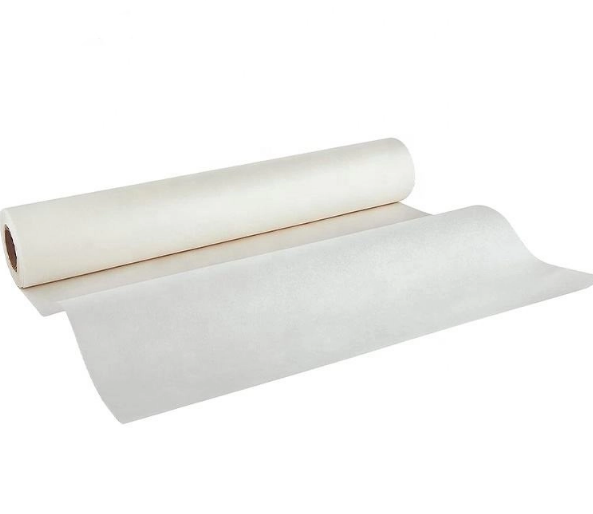
The simple answer is no, you should not use wax paper for baking. It works well for wrapping, separating, and light food prep, but it is not made for oven heat. When wax paper is exposed to high temperatures, its coating can melt or smoke, which makes it the wrong choice for baking. For better results, use baking paper instead. It offers a non-stick surface, supports easier food release, and helps reduce cleanup after baking. Zhejiang Times Beyond New Material Technology Co., Ltd. provides baking paper designed for safe oven use, steady performance, and practical daily value. Choosing the right paper helps protect your food, improve baking results, and make kitchen work easier. Always check whether the paper is clearly labeled oven-safe before using it in the oven.
A: No, wax paper is not heat-resistant enough for the oven. The wax coating can melt and catch fire. Instead, use baking paper, which is heat-resistant and non-stick, perfect for baking in the oven.
A: Baking paper is coated with silicone, which allows it to withstand high temperatures and provides a non-stick surface. Unlike wax paper, which is coated with wax that can melt, baking paper ensures easy release and better results in the oven.
A: Wax paper is ideal for tasks that don't involve heat, such as wrapping food, lining counters during prep, or separating layers of cookies or pastries. It’s not suitable for high-temperature use like baking.
A: Wax paper feels slippery or greasy to the touch, while baking paper is smooth and dry. Also, packaging will typically indicate whether the paper is safe for oven use.
A: Yes, Times Beyond baking paper offers superior heat resistance, ensuring consistent results and an easy non-stick surface for all your baking needs. It’s designed to withstand high temperatures and prevent sticking, making it a top choice for bakers.


