
Views: 0 Author: Site Editor Publish Time: 2026-03-16 Origin: Site


Have you ever grabbed wax paper while baking and wondered if it really belongs in the oven? Many people do, especially when it sits right next to parchment paper on the shelf. They look almost the same, so it feels natural to treat them the same way. But small differences can lead to big changes in your baking results.
In this article, we focus on one key question: can wax paper go in the oven? It sounds simple, yet it often causes confusion in everyday cooking. Using the wrong material can affect texture, cleanup, and even the final appearance of your food. In the following sections, you will learn when wax paper works, when it doesn’t, and what to use instead. We will also explore practical alternatives and how reliable options from brands like Times Beyond can support better baking choices.
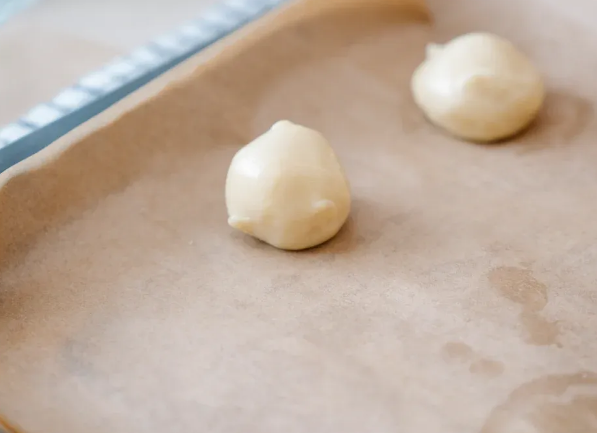
Wax paper is coated with a thin layer of wax, which gives it its non-stick surface. That coating works great at room temperature. However, once exposed to oven heat, it begins to break down.
You may notice:
● The wax softening or melting
● Light smoke forming
● Residue transferring to your pan or food
These effects are not ideal when you're trying to achieve clean, consistent baking results.
Part of the confusion comes from how similar wax paper looks to parchment paper. Both:
● Are thin and flexible
● Have a smooth surface
● Are often sold in the same section
Because of this, many people assume they function the same way. In reality, they are designed for completely different purposes.
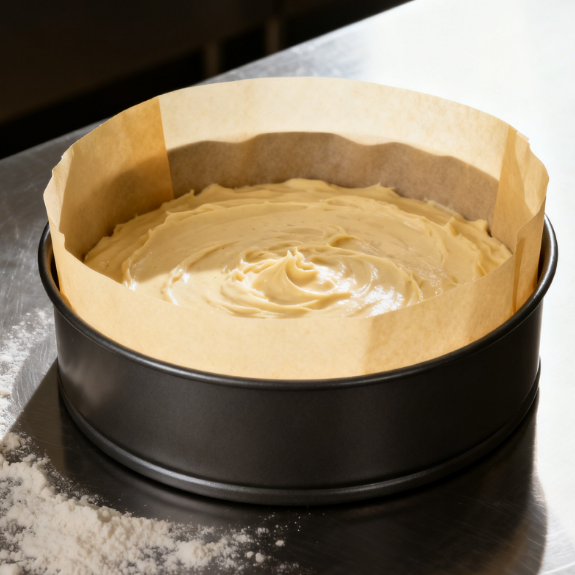
You may hear that wax paper can be used if it is completely covered by batter—such as lining a cake pan.
In those cases, the batter acts as a barrier, limiting direct heat exposure. However, this is a very specific scenario, not a general recommendation. For most baking situations, there are better and more reliable options.
Note: Even when partially protected, wax paper is not engineered for oven use. Choosing a proper baking liner will always give more consistent results.
The key difference lies in how each product is made:
Feature | Wax Paper | Parchment Paper |
Coating | Wax-based | Heat-resistant treatment |
Heat tolerance | Low | High |
Primary use | Prep and storage | Baking and roasting |
Wax paper relies on wax for its non-stick surface. Parchment paper, on the other hand, is specifically treated to withstand oven temperatures.
In practice, this difference matters a lot.
● Parchment paper allows food to release cleanly, reduces sticking, and supports even baking.
● Wax paper is better suited for cold or room-temperature applications.
If you want consistent results—especially for cookies, cakes, or roasted foods—parchment paper is the better choice. High-quality options from brands like Times Beyond are designed to deliver stable performance, helping your baked goods look and release exactly as expected.
Some traditional baking methods involve lining pans with wax paper. This approach dates back to times when parchment paper was less widely available, and bakers relied on what they had in their kitchens.
Because of this history, many bakers still assume wax paper is acceptable for baking. It feels familiar and convenient, especially when following older recipes that do not clearly distinguish between materials.
Another common belief is that wax paper is safe if the oven temperature is low. This idea often comes from the assumption that less heat means less risk.
While lower heat may reduce visible effects, it does not make wax paper fully suitable for oven use. It was never designed for that purpose, regardless of temperature, and performance can still be inconsistent over time.
When wax paper is fully covered by batter, it has less direct exposure to heat. That’s why some people report using it successfully in specific cases.
However, even in those scenarios:
● Results can vary
● Cleanup may be less predictable
● There are better alternatives available
It’s more practical to use a product that is made specifically for baking.
If you need one reliable solution, parchment paper is it.
It works well for:
● Baking cookies and pastries
● Lining cake pans
● Roasting vegetables or meats
It creates a clean barrier between food and pan, making both baking and cleanup easier.
Using a dependable product such as Times Beyond parchment paper can improve consistency, especially if you bake frequently. It helps ensure clean release, even browning, and less time spent scrubbing pans.
Tip: If you want a professional-looking finish on baked goods, parchment paper is one of the simplest upgrades you can make.
Silicone mats are a reusable alternative. They sit directly on your baking tray and provide a consistent non-stick surface.
They are especially useful if you bake often and want to reduce waste. Over time, they can also help lower costs since they replace disposable liners.
Aluminum foil is strong and flexible. It’s great for:
● Covering dishes
● Shaping around food
● Supporting heavier items
However, it doesn’t offer the same non-stick performance as parchment paper.
If you don’t have any liners available, a well-greased pan can still work.
It’s a practical solution for:
● Cakes
● Quick breads
● Simple baked dishes
Option | Best Use Case | Reusable | Non-Stick Level |
Parchment Paper | Baking, roasting | No | High |
Silicone Mat | Frequent baking | Yes | High |
Aluminum Foil | Covering, shaping | No | Medium |
Wax Paper | Prep, wrapping, storage | No | High (no heat) |
This comparison helps you quickly match the right material to your baking needs. Choosing correctly can improve results and reduce unnecessary effort in the kitchen
Wax paper is excellent for tasks like:
● Coating ingredients
● Portioning food
● Protecting countertops
It keeps things clean and organized without extra effort. It is especially useful during busy cooking sessions, helping maintain a tidy workspace and reducing unnecessary cleanup time.
When working with sticky dough, wax paper helps prevent mess and keeps your tools clean.
You can roll dough between sheets and avoid excess flour, which helps maintain texture. This method also makes transferring dough easier and more controlled, especially for delicate recipes.
Wax paper is ideal for:
● Wrapping sandwiches
● Separating baked goods
● Storing items in the freezer
It prevents sticking and makes handling easier. It also helps keep food portions neat and prevents damage during storage or transport.
Wax paper can also be used to cover food in the microwave. It helps reduce splatter while still allowing airflow. This keeps the microwave cleaner and saves time on daily cleanup while maintaining better kitchen hygiene overall and improving efficiency.
Before reaching for any kitchen paper, ask yourself:
● Will this go in the oven?
● Do I need heat resistance or just a non-stick surface?
These simple questions can help you avoid common mistakes.
Here’s an easy way to decide:
● For baking or roasting → use parchment paper or oven-safe alternatives
● For prep, wrapping, or storage → use wax paper
This rule keeps your kitchen workflow simple and efficient.
So, can wax paper go in the oven? The answer is clear. It is not made for baking use and should not be used as an oven liner. Heat can affect its coating and reduce performance during cooking. Choosing the right material helps you avoid unnecessary issues and improves overall baking results.
Wax paper still plays an important role in daily kitchen work. It works well for food preparation, wrapping, and simple storage tasks. When you understand how it differs from parchment paper, it becomes easier to choose the right option for each situation. Reliable products from companies like Zhejiang Times Beyond New Material Technology Co., Ltd. offer consistent quality and practical value. Their solutions help improve efficiency, reduce waste, and support better results in both home and professional kitchens.
A: Wax paper is not designed for oven use, even at low temperatures. The coating can still soften or melt, which may affect your baking results and create extra cleanup.
A: If wax paper is exposed to heat, it may melt and leave residue on your pan or food. It usually won’t perform like baking paper, so results may be uneven or messy.
A: No, wax paper and parchment paper serve different purposes. Parchment paper is made for oven use, while wax paper is better for wrapping and preparation tasks.
A: Wax paper is not recommended for baking cookies or cakes. It does not handle heat well, so parchment paper is a better choice for consistent results.
A: Wax paper is useful for food prep, wrapping, and separating items. It provides a clean, non-stick surface for tasks that do not involve oven heat.
A: Parchment paper is the most reliable alternative. It handles heat well and helps food release easily, making it ideal for baking and roasting.


