
Views: 0 Author: Site Editor Publish Time: 2026-03-23 Origin: Site


Have you ever stood in a store and wondered whether baking paper and parchment paper are actually different? It is a common question, and the confusion grows because labels often change by country, brand, and product type. In many kitchens, parchment paper and baking paper usually mean the same non-stick, oven-safe paper used for trays and pans.
Still, the wording can matter when you are choosing paper for cookies, cakes, roasting, or food wrapping. In this article, we will explain the difference, show why the names vary, and help you choose the right option for everyday use. You will also learn what to check first, including food safety, heat resistance, and consistent product quality.
Most of the time, yes. In common kitchen use, baking paper and parchment paper refer to the same thing: a cellulose-based paper treated or coated to become non-stick, grease-resistant, and heat-resistant enough for oven use. It is used to line baking sheets, cake tins, and trays so food lifts off cleanly and cleanup takes less time.
The biggest reason is regional language. In the United States and Canada, people usually say parchment paper. In the UK, Australia, and New Zealand, people often say baking paper. In many cases, the product itself is the same even when the label changes. That is why shoppers can look at two boxes, see two names, and still be buying the same oven-safe liner.
They are usually buying siliconized paper made for baking. It has a smooth non-stick surface, handles common oven temperatures, and works for cookies, pastries, bread, vegetables, and sheet-pan meals. Many products are rated around 420°F to 450°F, though the exact number depends on the coating and the maker.
This is where confusion grows. Some suppliers and markets use greaseproof paper as a broad term, but true greaseproof paper may not perform like baking-grade parchment paper. It can be good for food wrapping, separating items, or moisture control, yet it may not have the same non-stick coating or oven performance. So the safer habit is simple: do not rely on the name alone. Read the pack for oven use, coating type, and heat rating.
If you want a non-stick sheet for baking, roasting, or air-fryer use, choose a product clearly labeled for oven use and heat resistance. In daily practice, that is usually parchment paper or baking paper.
Term on Pack | What It Usually Means | Best Use |
Parchment paper | Non-stick, heat-resistant baking liner | Cookies, cakes, roasting |
Baking paper | Often the same as parchment paper | General baking and tray lining |
Greaseproof paper | Grease-resistant paper, not always non-stick | Wrapping or separating food |
Wax paper | Wax-coated paper, not oven-safe | Cold prep, wrapping |
Note: If the pack says wax paper, keep it out of the oven. The source text clearly separates wax paper from oven-safe baking paper and parchment paper.
At its core, parchment paper starts as cellulose-based paper. What makes it useful is the way it is processed and finished. The goal is to create a surface that can resist grease, handle heat, and release food cleanly. That is why it feels denser and more functional than standard kitchen paper.
For most baking products on the market, the key feature is a silicone coating. It forms the slick, non-stick layer that helps cookies slide off, cake rounds release cleanly, and sticky dough lift without tearing. The document also notes that some parchment products may use other coatings, but silicone-coated options are generally preferred for baking because they combine easy release, higher heat tolerance, and dependable performance.
This is where parchment paper earns its place in the kitchen. It can usually handle standard baking temperatures, often up to about 450°F or 232°C for silicone-coated products. It also resists grease and helps control moisture, which matters when roasting vegetables, steaming fish in packets, or storing sticky baked goods between layers. In short, it does three jobs at once: it protects the tray, supports even baking, and helps food keep its shape.
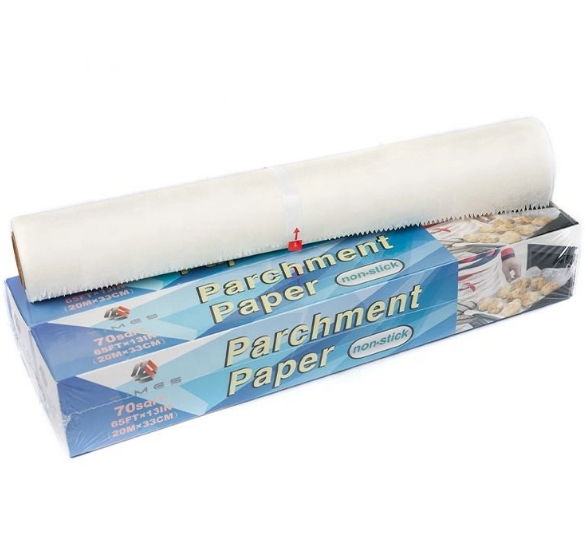
For cookies, parchment paper gives you two easy wins. First, it reduces sticking. Second, it helps with faster cleanup. It is especially useful for delicate pastries, macarons, meringues, and high-sugar doughs that can cling to metal pans. In cake tins, it also makes removal cleaner, which helps keep edges intact and presentation neat.
Parchment paper also works well beyond baking. You can line trays for roasted vegetables, fish, chicken, or pastries. Many products are also described as suitable for air fryers, microwaves, and similar heat-based cooking tasks, as long as the temperature stays within the maker’s stated range. That makes it a flexible kitchen tool rather than a single-use baking accessory.
This is one of the biggest practical benefits. Non-stick parchment paper lowers the need for extra greasing, helps reduce broken cookies or torn pastry bottoms, and cuts cleanup time after service. In commercial kitchens, that small efficiency adds up. In home kitchens, it simply makes baking easier and less messy.
Parchment paper can also separate frozen burger patties or cookie dough balls, wrap sticky sweets, support en papillote cooking, and even stand in as a quick piping cone for icing or chocolate work. That range matters because buyers often want one paper that can cover prep, cooking, storage, and light presentation work.
Tip: For sticky recipes such as macarons, caramel cookies, or glazed pastries, choose parchment paper with a clear silicone coating and a visible oven-safe temperature on the label.
This is where many mistakes begin. Wax paper can look similar to parchment paper, yet it is not made for oven heat. Its wax coating can melt or smoke when exposed to baking temperatures, so it belongs in cold or room-temperature tasks instead. It works well for wrapping sandwiches, covering surfaces during prep, or separating sticky items in storage. It should not replace parchment paper in the oven.
Greaseproof paper sits closer to parchment paper, yet they are still not always the same. Greaseproof paper is designed to resist grease, which makes it useful for wrapping bakery goods, handling deli items, or separating foods. Some versions may handle light food service tasks well, yet they do not always have the same non-stick coating or heat resistance people expect from parchment paper. This is why the pack description matters more than the general name.
A simple comparison helps:
Paper type | Main feature | Oven use | Best fit |
Parchment paper | Non-stick and heat-resistant | Yes | Baking, roasting, lining trays |
Greaseproof paper | Grease-resistant surface | Limited or product-specific | Wrapping, separating food |
Wax paper | Wax-coated surface | No | Cold prep, storage, wrapping |
If we remember one easy rule, it should be this: parchment paper is the paper we reach for when heat is involved. The others may still be useful, yet they solve different problems. Once we separate those roles, the product aisle becomes much easier to understand.
White and brown parchment paper usually offer the same core function. Both can be non-stick and heat-resistant. The difference is often appearance and processing style, not basic baking performance. Some buyers prefer unbleached paper for a more natural look or for sustainability goals, while others choose white paper for a cleaner retail presentation. The better choice depends on brand positioning, kitchen style, and user preference.
Pre-cut sheets save time. They fit standard trays, stack neatly, and support quick prep in busy kitchens. Rolls give more flexibility because you can cut custom sizes for trays, cake tins, or wrapping tasks. For high-volume use, sheets often improve speed and consistency. For mixed applications, rolls can reduce waste from odd tray sizes.
For different kitchen tasks, the right parchment paper should match the real use. The focus changes by scenario, so it helps to check the key detail first.
Use scenario | What to prioritize | What to check on the pack |
Delicate bakes | Strong non-stick release | Smooth coated surface |
Roasting or higher heat | Safe heat resistance | Clear temperature rating |
Everyday prep | Consistent performance | Food-contact information |
Baking + food contact | Clear dual-purpose use | Stated use case on the pack |
A simple way to judge it is to match the task to the feature. For delicate bakes, look at release performance. For hotter use, check the heat limit. For general prep, clear labeling matters more than marketing language.
In North America, parchment paper is the standard retail term. Shoppers expect it to be non-stick and oven-safe. That makes the buying language fairly direct.
In the UK and Australia, baking paper is the more common phrase. Even so, the function usually matches North American parchment paper. This is why international sellers often mention both terms on product pages to improve clarity and search visibility.
Do not stop at the product name. Check whether the paper is:
● oven-safe
● silicone-coated or otherwise non-stick
● rated for a clear temperature range
● suitable for direct food contact
● sold in the format you need, such as rolls or sheets
That approach works across markets, brands, and product catalogs. It also reduces mistakes when one supplier uses “baking paper” and another uses “parchment paper” for nearly the same item.
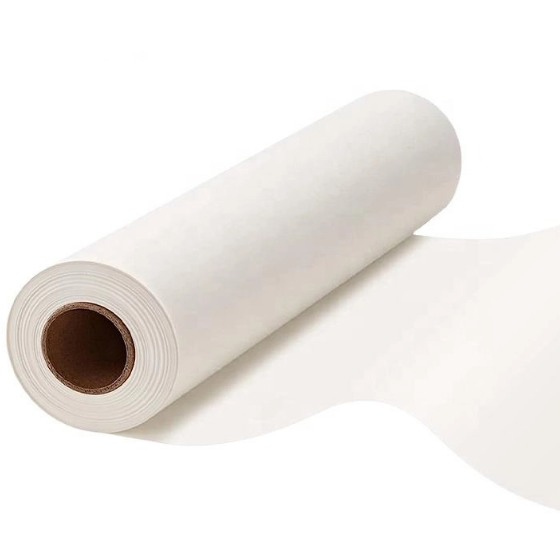
In most baking situations, baking paper and parchment paper mean the same useful product. They both describe a non-stick, heat-resistant paper for trays, pans, and molds. The more important difference is not the name on the box. It is the coating, the heat rating, the food-safety standard, and the way it performs in real kitchen use. Buyers should choose parchment paper based on temperature needs, product format, and direct food-contact use. They should also compare suppliers by clear documentation and consistent quality, not by marketing language alone. Zhejiang Times Beyond New Material Technology Co., Ltd. adds value by offering parchment paper designed around reliable performance, food safety, and stable manufacturing standards, helping buyers choose products that support cleaner baking, easier release, and more dependable daily use.
A: In most baking cases, yes. Parchment paper and baking paper usually mean the same non-stick, heat-resistant paper used to line trays and pans.
A: Parchment paper is used for baking cookies, cakes, and pastries, and for roasting foods. It helps food release easily and keeps pans cleaner.
A: The difference is usually regional. North America often says parchment paper, while the UK and Australia more often say baking paper.
A: Parchment paper is oven-safe and made for baking. Wax paper has a wax coating, so it is better for wrapping or cold prep, not oven use.
A: Yes. Better parchment paper usually gives smoother release, more stable heat resistance, and more consistent results in daily baking.
A: Often, yes. Parchment paper can save time, reduce sticking, lower cleanup work, and improve baking results, so it often adds practical value.


