
Views: 0 Author: Site Editor Publish Time: 2025-11-06 Origin: Site


If you love baking, you might wonder if you should grab wax paper or parchment paper for baking. Many people mix these up. Only parchment paper for baking is truly oven-safe. Wax paper can melt or even catch fire in the oven. Choosing the right paper means safer baking and better results every time.Parchment paper holds a 67.3% market share in the bakery and confectionery segment, showing how much bakers trust it.
Always use parchment paper for baking. It is oven-safe and prevents sticking, ensuring better results.
Never use wax paper in the oven. It can melt or catch fire, posing safety risks and ruining your food.
Check the temperature limit on your parchment paper. Most can handle up to 450°F, making them ideal for various baking tasks.
Parchment paper is versatile. Use it for lining pans, roasting vegetables, and making cleanup easier.
Wax paper is great for cold tasks. Use it for wrapping sandwiches and keeping food fresh, but avoid it in the oven.
When you bake, you want to use safe tools. You might wonder which paper is best for the oven. The answer is always parchment paper for baking. It is the safest choice. Let’s see why this is true and what can go wrong with wax paper.
Parchment paper for baking is made to handle heat. It has a special silicone coating. This makes it nonstick and heat-resistant. You can use it in the oven without worry. It will not burn or let out bad chemicals if you follow the temperature rules.
Tip: Always check the box for the highest safe temperature before using parchment paper for baking.
Here’s a quick chart showing how parchment paper for baking is safe:
Type of Parchment Paper | Safety Features |
|---|---|
Compostable and Unbleached | Free from PFAS and dioxins, meets strict environmental standards |
Good parchment paper for baking meets food safety rules. It does not have harmful chemicals. You can bake and feel safe.
Let’s talk about heat. Most parchment paper for baking can take oven heat up to 420-450°F (215-232°C). If you stay under this, it will not burn or break. Here’s what happens at different heats:
Temperature (°C) | Chemical Release | Safety Notes |
|---|---|---|
Up to 220 | PDMS, PMHS | Safe for cooking |
Above 400 | PFOA | Not common in home ovens |
N/A | Non-food-grade paper risks | Use food-grade parchment only |
The highest heat parchment paper can take is about 420-450°F (215-232°C).
Most parchment paper is safe in ovens up to 425°F-450°F (215°C to 230°C).
It will not catch fire at these heats, but using it wrong can be risky.
Newer parchment paper for baking is even safer and better for the earth. Silicone coatings help keep food safe and protect nature. Many brands now make compostable and recyclable paper. You can bake and help the planet. These papers stay strong and nonstick, even when hot. They are tested to make sure they have no bad chemicals.
Wax paper looks like parchment paper, but it is not the same. Wax paper has a thin wax layer. This keeps out water but not heat. If you put wax paper in the oven, bad things can happen:
Wax paper can catch fire because it burns easily.
The wax can melt and make smoke that is not safe to breathe.
Wax can get on your food and make it unsafe.
Wax paper gets soft and tears when it gets hot.
This can make a mess and ruin your food.
When wax paper gets hot, the wax breaks down. It lets out chemicals called VOCs. These can go into the air. Some, like acrolein, can hurt your lungs.
Wax paper is not made to resist heat, and using it in the oven could start a fire.
Using wax paper in baking can let out toxic chemicals. The melted wax can get on your food. This makes it unsafe to eat. So, never use wax paper for baking in the oven.
If you want to bake safely and get good results, always pick parchment paper for baking. It is oven-safe and trusted by bakers everywhere.
When you reach for parchment paper in the kitchen, you’re choosing a tool designed for high performance. Parchment paper starts as regular paper, but manufacturers treat it with a thin layer of silicone. This coating gives it a smooth, nonstick surface. You can use it in the oven without worrying about burning or sticking.
Silicone makes parchment paper heat-resistant. Most brands handle temperatures up to 420–450°F. You can bake cookies, roast vegetables, or prepare sheet pan meals, and the paper will stay strong. The silicone layer also keeps food from sticking, so you get perfect results and easy cleanup.
If you want to avoid scrubbing pans after baking, parchment paper is your best friend. It saves you time and keeps your food looking great.
You’ll find parchment paper in almost every professional kitchen. It’s a favorite for many reasons. Here are some of the most popular ways you can use parchment paper:
Line cake pans and baking sheets to prevent sticking
Cover your workspace to keep things tidy
Wrap fish or chicken for oven cooking
Cook bacon on a baking sheet for easy cleanup
Grate, zest, or sift ingredients directly onto parchment paper for quick transfer
You can use parchment paper for baking cakes, brownies, cookies, pies, tarts, breads, and muffins. It works well for roasting vegetables and preparing sheet pan meals. If you want to try parchment packet cooking, this paper makes it simple. You just wrap your ingredients and let the oven do the work.
Parchment paper helps you bake with confidence. You get consistent results, less mess, and food that looks and tastes better. Next time you bake, reach for parchment paper and see the difference.
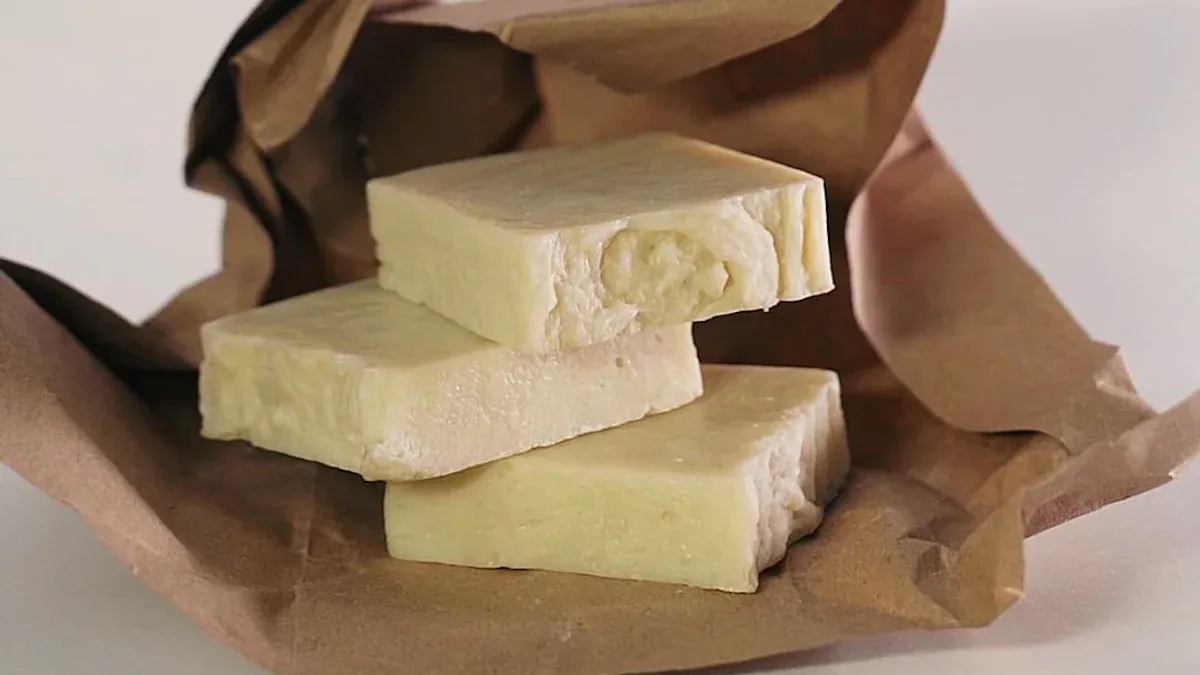
When you pick up wax paper in your kitchen, you’re holding a simple but clever tool. Wax paper starts with a paper base. Manufacturers coat this paper with a thin layer of wax. You might see wax made from paraffin, microcrystalline, or even plant-based sources. This wax layer gives the paper a smooth, slightly shiny finish.
The magic of wax paper comes from its hydrophobic barrier. The wax repels water, so moisture can’t get through. If you wrap food with wax paper, you keep it dry and fresh. Microcrystalline wax, which comes from heavier parts of petroleum, adds extra strength. It’s different from paraffin wax because of its unique structure. This makes wax paper even better at blocking water vapor and liquids.
Tip: If you want to keep sandwiches or snacks from getting soggy, wax paper is your go-to choice. It’s perfect for moisture resistance.
You might wonder how wax paper fits into your kitchen routine. Wax paper isn’t safe for baking in the oven, but it shines in other areas. You can use it for food prep, storage, and serving. Here are some popular ways you can use wax paper:
Wrap sandwiches, snacks, and baked goods to keep them fresh.
Store cheese and deli meats to reduce moisture loss.
Line food baskets for a neat display and easy cleanup.
Package nuts and dried fruits to prevent them from getting stale.
Line containers with wax paper before storing leftovers to stop sticking.
You can also use wax paper for rolling out dough, separating layers of cookies, or covering countertops during messy projects. Wax paper for food storage helps you keep ingredients fresh and organized. If you want a quick, moisture-resistant solution in your kitchen, wax paper is a smart pick.
Wax paper offers plenty of practical uses, especially when you need to protect food from moisture or make cleanup easier. Next time you prep a meal, reach for wax paper and see how it helps.
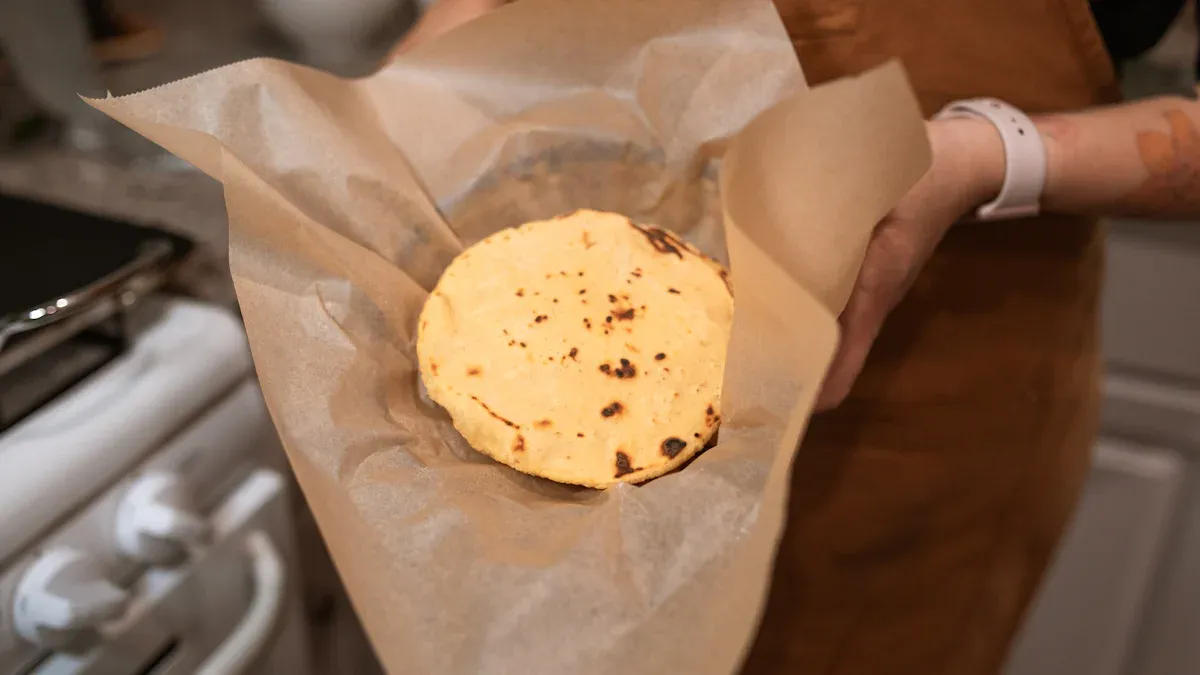
When you stand in the kitchen, you might wonder which paper to grab for your next baking project. Let’s break down the main differences so you can make the right choice every time.
You’ll notice that wax paper and parchment paper look similar, but they’re made for different jobs. Wax paper gets its smooth surface from a wax coating, usually paraffin or soybean wax. This makes it great for keeping moisture out, but it can’t handle heat. Parchment paper, on the other hand, has a silicone coating. This gives it a nonstick surface and lets it stand up to high temperatures.
If you want a paper that won’t melt or catch fire, parchment paper is the way to go.
Here’s a quick comparison:
Feature | Wax Paper | Parchment Paper |
|---|---|---|
Coating | Paraffin or soybean wax | Silicone |
Heat Resistance | Not oven-safe | Oven-safe up to 450°F |
Best Use | Wrapping, layering, storage | Baking, lining baking sheets |
Heat resistance is the biggest difference you need to remember. Wax paper melts and can even ignite in the oven. You should never use it for baking. Parchment paper is designed for heat. You can use it to line baking sheets and pans, and it won’t break down at high temperatures.
Paper Type | Heat Resistance Level |
|---|---|
Wax Paper | Melts or burns in the oven |
Parchment Paper | Handles up to 420–450°F; perfect for baking |
Both papers help prevent sticking, but only parchment paper works for baking sheets in the oven. Wax paper is best for cold tasks like wrapping sandwiches or layering cookies. Parchment paper is your go-to for baking cookies, roasting veggies, or making parchment packets.
Wax paper keeps food fresh and stops sticking in storage.
Parchment paper gives you easy release and cleanup on baking sheets.
Eco-friendly parchment paper is compostable, so you can bake and help the planet.
Remember: Use wax paper for cold food prep and parchment paper for baking. This simple rule keeps your kitchen safe and your food tasting great.
You want your kitchen to be safe and your food to turn out just right. Knowing when to use parchment paper or wax paper makes a big difference. Here’s a simple guide to help you decide:
Use wax paper for wrapping sandwiches or lining trays for treats that do not go in the oven. The wax coating keeps out moisture and grease, so your snacks stay fresh.
Choose parchment paper for baking at high temperatures. It stands up to oven heat and keeps your cookies or cakes from sticking.
Never use wax paper in the oven. The wax can melt or catch fire, which can ruin your food and make your kitchen unsafe.
Always check the temperature limit on your parchment paper box before you start baking. Most parchment paper works up to 450°F.
Tip: If you want easy cleanup after baking, line your pans with parchment paper. You will save time and keep your food looking great.
Both wax paper and parchment paper help you with more than just baking. You can use them for many kitchen tasks:
Cover your workspace when you roll out dough or do messy projects.
Layer between cookies, candies, or desserts to keep them from sticking together.
Make a quick funnel by rolling up parchment paper to pour dry ingredients back into containers.
Steam chicken or fish by wrapping them in parchment paper before cooking.
Use wax paper to measure dry ingredients and funnel the extra back into your jar.
You can grab the right paper for each job and make your kitchen work smoother. Wax paper keeps food fresh and parchment paper helps with cooking and cleanup. Try these tips next time you cook or bake, and you will see how much easier your kitchen tasks become.
Picking the right kitchen paper can make your baking easier and safer. You want to use baking parchment paper for anything that goes in the oven. It stands up to high heat and keeps your food from sticking. Wax paper works best for wrapping sandwiches, layering cookies, or covering your counter during messy tasks.
Here’s what professional bakers suggest:
Use parchment paper for baking because it’s oven-safe and heat resistant.
Avoid wax paper in the oven. It can melt or catch fire.
Both types help with food prep and cleanup, especially when you work with sticky ingredients.
When you choose between parchment and wax paper, think about these factors:
Heat resistance: Parchment paper handles up to 450°F. Wax paper only works for cold or room-temperature tasks.
Food safety: Parchment paper is food-safe and doesn’t release harmful chemicals. Some wax papers may contain additives, so always check the label.
Cost and reusability: You can sometimes reuse parchment paper, which saves money.
Purpose: Use parchment paper for baking and roasting. Wax paper is great for wrapping and storage.
We at Zhejiang Times Beyond New Material Technology Co., Ltd. offer a full range of baking parchment paper and food-grade wax paper. Our products meet FDA, EU, and ISO 14001 standards, so you can bake with confidence.
You want to keep your kitchen safe. Follow these tips every time you bake:
Always check the temperature limit on your parchment paper box.
Never use wax paper in the oven.
Don’t let parchment paper touch open flames or heating elements.
Use parchment paper only once for baking. Reusing it can make it less effective.
Store your kitchen papers in a cool, dry place to keep them in top shape.
Tip: For tasks like candy making or roasting at high heat, pick parchment paper designed for higher temperatures.
Choosing quality products that meet international standards helps you bake safely and get the best results. With the right paper, you’ll enjoy easy cleanup, perfect bakes, and peace of mind every time you step into the kitchen.
You always want to use parchment paper for baking. Wax paper works best for cold food prep and storage. Here’s a quick recap:
Parchment paper for baking: Oven-safe, nonstick, perfect for cookies, cakes, and roasting.
Food-grade wax paper: Great for wrapping sandwiches, layering treats, and keeping food fresh.
Tip: Choose high-quality, certified kitchen papers for safe, stress-free baking every time!
No, you should never bake with wax paper. Wax paper can melt or catch fire in the oven. Always use oven-safe parchment paper for baking to keep your food and kitchen safe.
Look for parchment paper labeled as oven-safe and food-grade. Choose brands that meet FDA or international safety standards. High-quality parchment paper gives you nonstick results and easy cleanup every time.
You can reuse parchment paper for a few batches if it stays clean and flat. If it gets too brown or brittle, grab a new sheet for the best results.
Parchment paper sometimes curls because of the heat. You can place a little batter or dough on the corners to hold it down. This keeps your baking even and neat.
Yes, you can use parchment paper in most air fryers. Make sure the paper does not touch the heating element. Always check your air fryer’s manual for safety tips.


