
Views: 0 Author: Site Editor Publish Time: 2025-09-29 Origin: Site


Have you ever wondered how to keep your air fryer clean and efficient? Air fryer liners are the solution. These handy tools prevent mess and extend your appliance's lifespan. In this post, you'll learn about different types of air fryer liners, their benefits, and how to choose the right one for your needs.
When it comes to lining the bottom inside of an air fryer, several options exist, each with its unique features and benefits. Choosing the right liner can enhance your cooking experience, prevent messes, and maintain your air fryer's condition. Let's explore the main types of air fryer liners commonly used:
Silicone mats are flexible, heat-resistant liners designed to fit snugly inside your air fryer basket or tray. They are reusable and easy to clean, making them an eco-friendly option. Silicone mats provide a non-stick surface that prevents food from sticking and helps distribute heat evenly. They are durable and can withstand high temperatures, typically up to 450°F (232°C), suitable for most air frying needs.
Pros:
● Reusable and easy to clean
● Non-stick surface
● Heat-resistant and durable
● Eco-friendly alternative to disposable liners
Cons:
● May not fit all air fryer models perfectly
● Can be more expensive upfront
Parchment paper liners come pre-cut or in sheets that you can trim to size. They are disposable and often perforated to allow hot air to circulate while catching drips and crumbs. Parchment paper is heat-resistant and safe for air fryers, usually up to 428°F (220°C). It's a convenient choice for quick cleanup and single-use cooking.
Pros:
● Disposable for easy cleanup
● Allows good air circulation
● Affordable and widely available
● Suitable for baking and roasting
Cons:
● Single-use, generates waste
● Can burn if exposed to direct heating elements
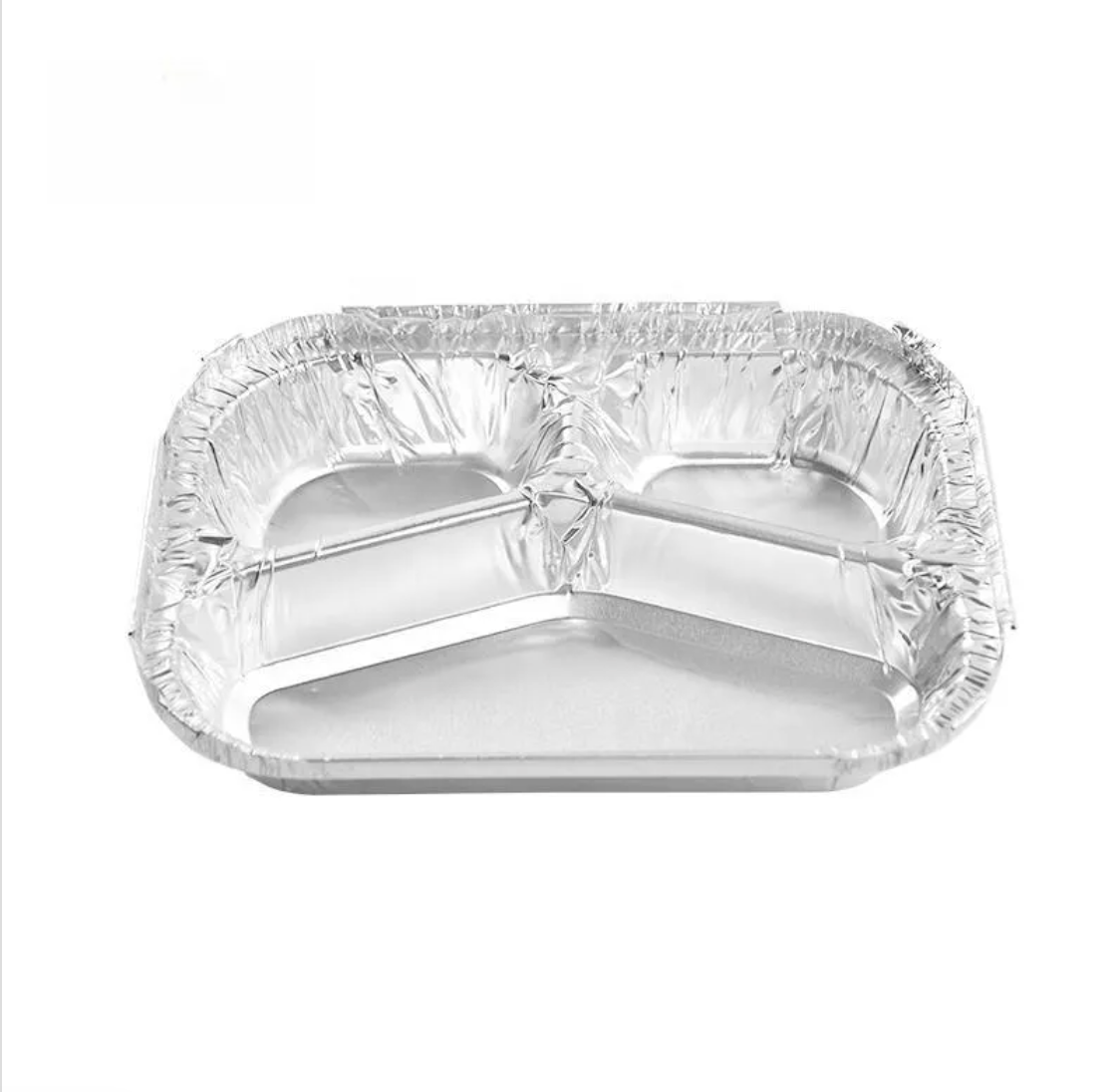
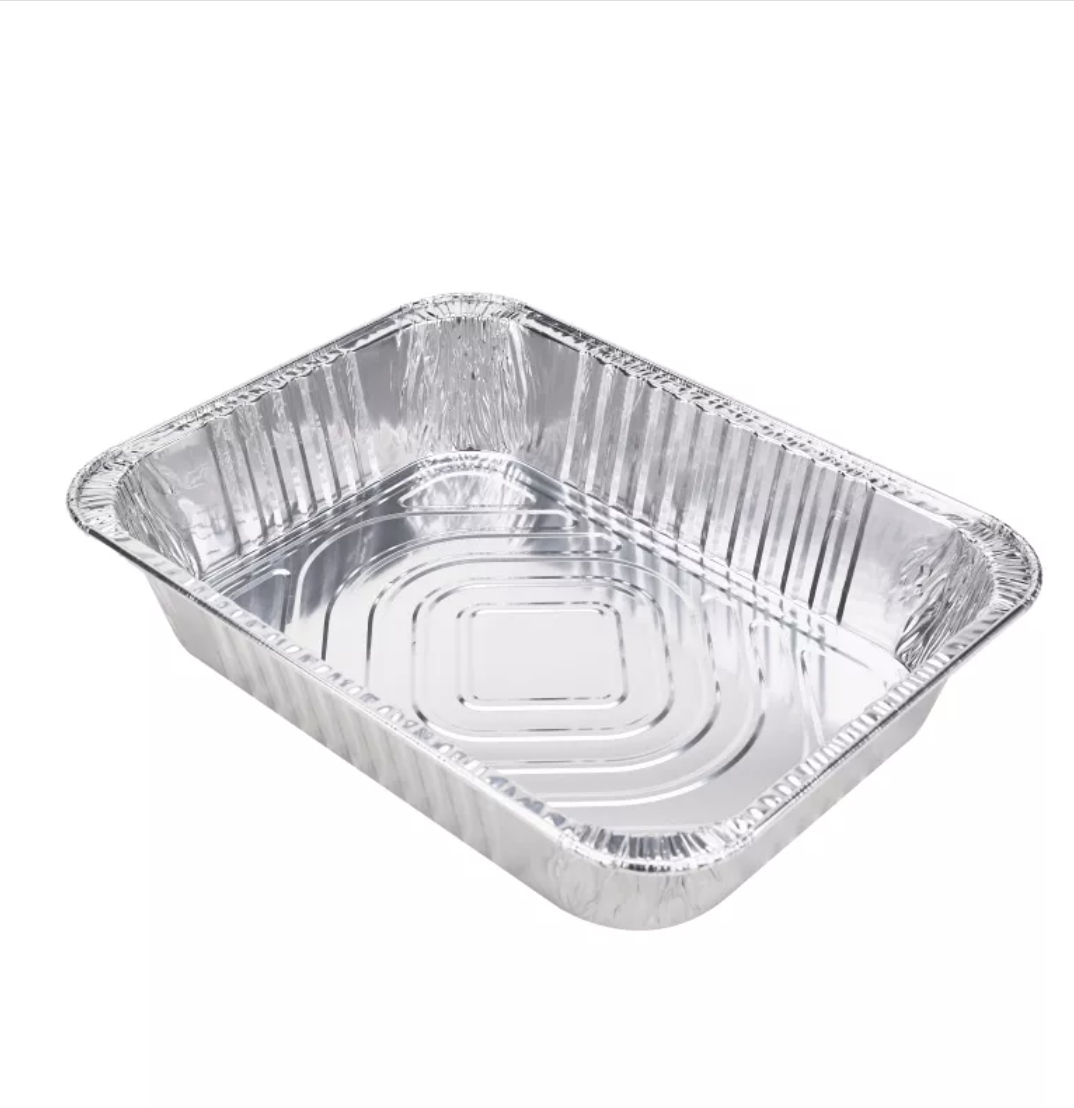
Aluminum foil is a versatile liner option that can be molded to fit the air fryer basket's shape. It is excellent for catching drips and can withstand high temperatures. However, it is essential to ensure the foil does not block air vents or restrict airflow, which could affect cooking performance. Using perforated foil or leaving gaps for air circulation is recommended.
Pros:
● Heat-resistant and moldable
● Catches drips and prevents mess
● Inexpensive and readily available
Cons:
● Can block airflow if not used properly
● Not reusable, generates waste
● Risk of foil tearing and food sticking
Reusable liners include specially designed mesh or metal mats that fit inside the air fryer basket. They are durable, easy to clean, and promote even cooking by allowing hot air to pass through. These liners can be made from materials like stainless steel or silicone-coated mesh, offering a long-lasting solution for frequent air fryer users.
Pros:
● Durable and long-lasting
● Easy to clean and maintain
● Promote even airflow and cooking
Cons:
● Higher initial cost
● May require occasional replacement due to wear
Note: Always ensure your chosen liner fits your air fryer model properly and does not obstruct airflow, which is crucial for optimal cooking performance and safety.
Using liners inside your air fryer offers several advantages that improve your cooking experience and help maintain your appliance. Here’s a closer look at the key benefits:
One of the biggest perks of using air fryer liners is the ease of cleaning. Liners catch food drips, crumbs, and grease, preventing them from sticking to the basket or tray. This means you spend less time scrubbing and more time enjoying your meal. For example, parchment paper liners can be simply tossed after use, while silicone mats can be quickly wiped or washed for reuse.
Air fryer liners provide a non-stick surface, which helps prevent food from sticking to the basket or tray. This is especially helpful when cooking sticky or delicate foods like marinated chicken or fish. A silicone mat or reusable mesh liner creates a barrier between the food and the fryer surface, ensuring your meals come out intact and looking great.
Keeping your air fryer clean and free from burnt-on food residue can extend its lifespan. Liners act as a protective layer that reduces direct contact between food and the fryer’s basket, minimizing wear and tear. Over time, this can help maintain the fryer’s performance and appearance, saving you money on repairs or replacements.
Certain liners, such as perforated parchment paper or mesh mats, allow hot air to circulate evenly around the food. This airflow is crucial for achieving that crispy, golden finish air fryers are known for. Using the right liner ensures your food cooks thoroughly and evenly, improving taste and texture without compromising the appliance’s function.
Tip: Always choose liners that fit your air fryer model and allow adequate airflow to maintain cooking efficiency and safety.
Choosing the right liner for your air fryer is key to getting the best cooking results and keeping your appliance in great shape. Here are the main factors to consider:
The liner must fit your air fryer basket or tray perfectly. A liner that's too big can block airflow, affecting cooking performance. Too small, and it won't protect your fryer properly. Always check the liner's dimensions against your air fryer model. Some liners come pre-cut for popular models, while others can be trimmed to size. Make sure the liner stays in place during cooking to avoid shifting that could cause uneven cooking or damage.
Different materials offer different benefits:
● Silicone mats are reusable, flexible, and provide a non-stick surface. They’re perfect if you want an eco-friendly option that lasts long.
● Parchment paper is disposable and great for easy cleanup, but it’s single-use and can burn if exposed to direct heating elements.
● Aluminum foil is moldable and heat-resistant but must be used carefully to avoid blocking airflow.
● Reusable mesh or metal liners promote even cooking and are durable but might cost more upfront.
Pick a material that matches your cooking style and cleaning preferences.
Air fryers cook at high temperatures, often up to 400°F or more. Your liner must withstand these temperatures without melting, burning, or releasing harmful chemicals. Silicone mats usually tolerate up to 450°F, while parchment paper is safe up to about 428°F. Aluminum foil handles high heat well but be cautious about direct contact with heating elements. Always check the liner's heat rating before use.
Consider how often you use your air fryer. If you cook frequently, investing in a reusable silicone or metal liner can save money over time. For occasional use, disposable parchment paper liners might be more convenient and affordable. Balance upfront costs against durability and cleaning effort to find the best value.
Tip: Measure your air fryer basket carefully before buying a liner to ensure proper fit and maintain optimal airflow for even cooking.
Using air fryer liners correctly is key to enjoying their benefits while keeping your appliance safe and efficient. Here’s a detailed guide to help you get the most out of your liners.
Before placing any liner, always ensure your air fryer is clean and completely cool. Remove the basket or tray and wipe away any leftover food particles or grease. This prep step prevents buildup and helps the liner fit better. Also, check your air fryer’s manual to confirm liner compatibility and any specific instructions or warnings related to liners.
Choose a liner that matches your air fryer’s basket size. If it’s too large, trim it carefully to avoid blocking air vents. Place the liner flat at the bottom of the basket or tray, ensuring it covers the surface evenly but doesn’t fold or bunch up. For perforated liners like parchment paper or mesh mats, make sure the holes align with the basket holes to maintain proper airflow. Avoid covering the basket walls or sides as this can restrict hot air circulation.
Once the liner is in place, add your food on top. Avoid overloading the basket, as overcrowding can reduce cooking efficiency. Keep an eye on cooking times, as some liners might slightly affect heat distribution. Always use liners rated for the temperature you plan to cook at—silicone mats generally handle up to 450°F, parchment paper up to about 428°F. Never let liners touch the heating element to prevent burning or melting.
After cooking, allow the air fryer and liner to cool before handling. Disposable liners like parchment paper can be discarded immediately. Reusable liners, such as silicone mats or metal mesh, should be washed with warm, soapy water or placed in the dishwasher if safe. Avoid abrasive cleaners that can damage the liner’s surface. Regular cleaning prevents odors and prolongs liner life. Also, inspect reusable liners for cracks or wear and replace them as needed.
Tip: Always ensure air fryer liners have proper perforations and fit snugly to maintain airflow, which is essential for even cooking and safety.
Using air fryer liners can make cooking and cleanup easier, but some common mistakes can reduce their effectiveness or even cause damage. Avoid these pitfalls to get the best results from your liners and keep your air fryer in top shape.
One of the most frequent mistakes is using liners that don’t fit the air fryer basket properly. Liners that are too large can block air vents or fold over, restricting airflow and causing uneven cooking. Too small liners fail to protect the basket fully, allowing grease and crumbs to build up. Always measure your air fryer basket and choose liners designed for your model or trim liners carefully to size.
Not all liners can handle very high temperatures. For example, parchment paper typically withstands heat up to about 428°F (220°C), while silicone mats tolerate higher temperatures, often up to 450°F (232°C). Using a liner beyond its heat limit can cause it to burn, melt, or release harmful fumes. Check the liner’s heat resistance before cooking and avoid exposing it to direct heating elements.
Placing the liner incorrectly can block air circulation, which is essential for air frying. Some liners have perforations to allow hot air to flow; if these holes don’t align with the basket holes, cooking may be uneven. Also, liners should only cover the basket bottom, not the sides or walls, to maintain proper airflow. Avoid bunching or folding the liner, as this can create hot spots or cause the liner to catch fire.
Reusable liners like silicone mats or metal mesh need regular cleaning to prevent odors, grease buildup, and bacterial growth. Failing to clean them properly can shorten their lifespan and affect food taste. Disposable liners should be replaced after each use. Always allow liners to cool before cleaning, and follow manufacturer instructions for washing.
Tip: Always double-check liner size and placement before cooking to ensure proper airflow and avoid overheating, which helps maintain cooking quality and appliance safety.
Not all liners are suitable for every air fryer. The key is to use liners designed for air fryer use or those that can withstand high heat without blocking airflow. For example, silicone mats made specifically for air fryers fit well and tolerate temperatures up to 450°F. Parchment paper with perforations works too but only up to around 428°F. Avoid liners that cover the sides or block vents, as this can reduce cooking efficiency and even cause safety issues. Always check your air fryer’s manual for any liner recommendations or restrictions.
Yes, air fryer liners are safe when used correctly. Liners made from food-grade silicone, parchment paper designed for high heat, or properly perforated aluminum foil are generally safe. Avoid using materials that can melt, burn, or release harmful chemicals under high heat. For instance, regular wax paper or plastic wraps should never be used. Proper placement is also important; liners should never touch the heating element to prevent fire hazards. Using liners approved for air fryer use helps ensure safety and food quality.
The replacement frequency depends on the liner type. Disposable liners like parchment paper should be replaced after every use to maintain hygiene and prevent burning. Reusable liners such as silicone mats or metal mesh can last for months or even years if cleaned and cared for properly. Inspect reusable liners regularly for cracks, tears, or discoloration and replace them if damaged. Keeping liners clean and in good condition helps maintain cooking performance and safety.
Yes, liners can slightly affect cooking time or results. Some liners may alter heat distribution or airflow if they cover too much surface area or block basket holes. For example, a silicone mat may retain heat differently than bare metal, potentially requiring minor adjustments to cooking time or temperature. Perforated parchment paper allows better airflow and usually has minimal impact. It’s a good idea to monitor your food the first few times you use a new liner type and adjust cooking settings as needed for best results.
Tip: Always choose air fryer liners that fit snugly and have perforations aligned with your basket holes to maintain proper airflow and ensure safe, even cooking.
Air fryer liners simplify cleanup, prevent food sticking, and extend appliance lifespan. For optimal use, select liners fitting your air fryer model and withstand high temperatures. Experiment with different liner types to enhance cooking results. Zhejiang Times Beyond New Material Technology Co., Ltd. offers innovative liner solutions, ensuring quality and durability. Their products provide value by enhancing cooking efficiency and maintaining appliance condition, making them a worthwhile investment for any kitchen.
A: An Air Fryer liner is a material used to line the bottom inside of an air fryer, preventing food from sticking and making cleanup easier. Common types include silicone mats, parchment paper, aluminum foil, and reusable mesh liners.
A: Air Fryer liners, like perforated parchment paper, allow hot air to circulate evenly, improving cooking efficiency by ensuring food cooks thoroughly and achieves a crispy texture without compromising the appliance’s function.
A: Silicone mats are a cost-effective option for frequent air fryer users due to their durability and reusability, saving money over time compared to disposable liners like parchment paper.
A: Yes, Air Fryer liners can affect cooking times slightly due to changes in heat distribution or airflow. It's advisable to monitor food and adjust cooking settings when using a new liner type.


