
Views: 0 Author: Site Editor Publish Time: 2025-10-21 Origin: Site


Wax paper is a special kitchen paper coated with a thin layer of wax. You use it to wrap food, line baking pans, or store snacks. Its non-stick surface keeps food from sticking and acts as a barrier against grease and moisture. Surveys show you often see wax paper used for food packaging, baking, and keeping bakery items fresh. This makes it a practical choice for both home and commercial kitchens.
Wax paper is coated with a thin layer of wax, making it non-stick and moisture-resistant. This helps keep food fresh and prevents sticking.
Use wax paper for wrapping sandwiches, lining containers, and storing baked goods. It is safe for food contact and easy to use.
Avoid using wax paper in the oven. The wax can melt or catch fire at high temperatures, so it is best for cold or room-temperature foods.
Different types of wax, like paraffin and soy, give wax paper unique properties. Plant-based waxes are more eco-friendly and break down faster.
Wax paper is not the same as parchment paper. Parchment paper is heat-resistant and suitable for baking, while wax paper is for food storage and wrapping.
You might wonder what makes wax paper different from other kitchen papers. Wax paper is a type of paper that has a thin layer of wax on both sides. This coating gives the paper special qualities. According to industry standards, wax paper is paper coated with paraffin wax. This coating makes the paper water-resistant and gives it a moisture barrier. You often use waxed paper to wrap sandwiches, line food trays, or keep snacks fresh. The wax layer also helps seal in freshness and prevents leaks. Waxed paper is safe for food contact and works well for many food service needs.
When you choose wax paper, you get several unique benefits. Here are the main features you should know:
Non-stick Surface: The wax coating keeps food from sticking. You can easily remove sticky treats or candies from waxed paper.
Moisture and Grease Resistance: Wax paper protects your food from moisture and grease. This helps keep your sandwiches, baked goods, and snacks fresh for longer.
Lightweight and Flexible: You can fold, cut, or shape waxed paper to fit your needs. It works well for wrapping and storing different foods.
Safe for Food Use: Manufacturers use food-grade waxes like paraffin, soy, or beeswax. These waxes are recognized as safe for direct contact with food.
Convenient for Wrapping and Storage: Waxed paper is perfect for wrapping sandwiches, cheese, or baked goods. You can also use it to line containers or trays.
Tip: Wax paper is not heat-resistant. You should not use it in the oven or for baking at high temperatures. The wax can melt if exposed to heat.
To help you see how wax paper compares to other kitchen papers, check out this table:
Feature | Wax Paper | Baking Paper (Parchment) |
|---|---|---|
Coating | Wax coating | Silicone or greaseproof coating |
Non-stick Surface | Yes | Yes |
Water-resistant | Yes | No |
Heat-resistant | No | Yes (up to 220°C) |
Intended Use | Wrapping, food storage | Baking, cooking |
You will notice that waxed paper stands out for its moisture resistance and non-stick surface. The wax coating blocks air and moisture, which helps keep your food fresh. Unlike parchment paper, wax paper cannot handle high heat. You should use it for cold or room-temperature food storage, not for baking.
Waxed paper is made from lightweight kraft paper with a thin wax layer. This structure gives it grease resistance and flexibility. The wax can be paraffin, soy, or beeswax, which all help make the paper safe and effective for food use. The chemicals in the wax provide the non-stick and moisture-resistant qualities you need for everyday kitchen tasks.
If you want to keep your food fresh and prevent sticking, wax paper is a smart choice. You can use it for wrapping, storing, or lining containers. Just remember to avoid using it in the oven or with hot foods.
You may ask why wax paper is strong and bends easily. The answer is the paper base. Makers use wood pulp to make this base. The pulp goes through a few steps:
Wood pulping breaks wood into small fibers.
Sheet formation spreads fibers on a flat sheet and presses out water.
Calendering smooths the dry paper and sets its thickness.
This makes kraft paper sheets that are light and tough. This process lets wax paper fold, cut, and wrap food with ease. The paper base helps the wax stick well. This is key for stopping moisture and grease.
Note: The wax type can change how fast wax paper breaks down. Waxes like soybean wax and beeswax help wax paper be better for the earth.
The wax coating makes wax paper special. There are a few wax types used:
Plant waxes come from plants. Some are carnauba wax (from palm leaves) and soy wax (from soybeans).
Petroleum waxes come from crude oil. Paraffin wax is common, and microcrystalline wax is used too.
Animal waxes include beeswax (from bees) and tallow (from animal fat).
Each wax gives wax paper different traits. You can see their features in this table:
Property | Paraffin Wax | Microcrystalline Wax | Carnauba Wax | Candelilla Wax | Soy Wax | PE Wax | Beeswax |
|---|---|---|---|---|---|---|---|
Melting Point (°C) | 46–68 | 60–80 | 82–86 | 68–72 | 49–71 | 100+ | 62–65 |
Water Resistance | High | High | High | Moderate | Moderate | High | High |
Grease Resistance | Low–Moderate | High | Moderate | High | Low | High | Moderate |
Flexibility | Moderate | High | Low | Moderate | High | Moderate | Moderate |
Eco-Friendliness | Low | Low | High | High | High | Moderate | High |
Cost | Low | Moderate | High | High | Moderate | High | High |
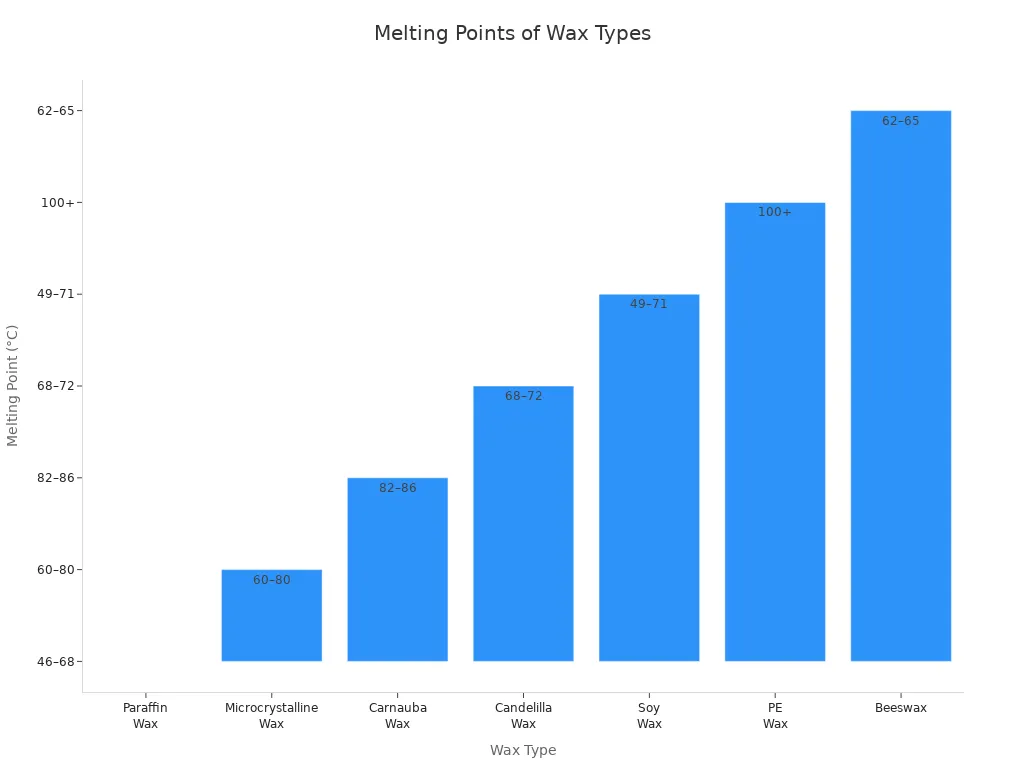
Paraffin wax gives high water resistance and a non-stick surface. Plant waxes are better for the planet. Beeswax and soy wax help wax paper break down faster in compost. The wax layer also blocks moisture and grease. This keeps your food fresh.
You might wonder how wax paper gets its special features. The process has a few steps. These steps turn raw materials into wax paper for your kitchen. Let’s look at each stage to see how waxed paper is made.
First, makers get the paper base ready. This step gives wax paper its strength and bendiness. Here is how the process goes:
Design & Specification: You pick the size, thickness, and print for wax paper. This depends on how you want to use it.
Raw Material Preparation: You choose strong paper rolls and wax. Each material gets checked for strength and moisture resistance.
These steps make sure the paper base is smooth and tough. The wax sticks better to good paper. You get wax paper that folds, cuts, and wraps food with no trouble.
Tip: Good paper base helps wax paper protect food from moisture and grease.
Next, wax is put on the paper. This step gives wax paper its non-stick and moisture-blocking powers. Factories use different ways to add wax:
Method | Description |
|---|---|
Immersion | You dip the paper in melted wax to cover it all. |
Spraying | You spray wax on the paper for even coverage. |
Roller Application | You use rollers to spread wax on the paper. This is quick and exact. |
There are other ways too:
Laminating: Wax goes between layers of packaging.
Coating: Wax is put right on the surface.
Impregnating: Wax is mixed into the paper fibers.
Each way makes sure the wax layer is smooth and even. The wax keeps out moisture and grease. This helps your food stay fresh and not stick.
Note: The wax type—like paraffin, soy, or beeswax—changes how flexible and eco-friendly the paper is.
You may ask if wax paper is safe for food. Makers follow strict rules to keep wax paper safe and high quality. Here is what you should know:
Standard/Regulation | Description |
|---|---|
FDA Regulations | Wax coatings must use safe materials for food. |
Safety Records | Makers keep records to show the product is safe. |
Compliance | Companies make sure all packaging meets FDA rules. |
At Zhejiang Times Beyond New Material Technology Co., Ltd., we work hard to meet these rules. Our wax paper has certificates that help you feel safe:
Certification Type | Description |
|---|---|
FDA | Approved for food safety |
BRCGS | Global standard for food safety and quality |
BSCI | Good business practices |
SQP | Supplier quality checks |
GMP | Good ways to make safe products |
ISO9001 | Quality management system |
ISO14000 | Environmental management system |
ISO45001 | Health and safety management system |
LFGB | German food and feed code rules |
SVHC | Substances of Very High Concern rules |
KOSHER | Follows dietary law rules |
We also care about the environment. Our factory uses green rules and tries to lower carbon use. You can trust our wax paper meets world safety and green standards.
If you pick wax paper from Zhejiang Times Beyond New Material Technology Co., Ltd., you get a safe, trustworthy, and eco-friendly product.
Now you know how waxed paper is made. The process starts with the paper base, then adds wax, and follows safety rules. This makes sure you get a good product for your kitchen and food needs.
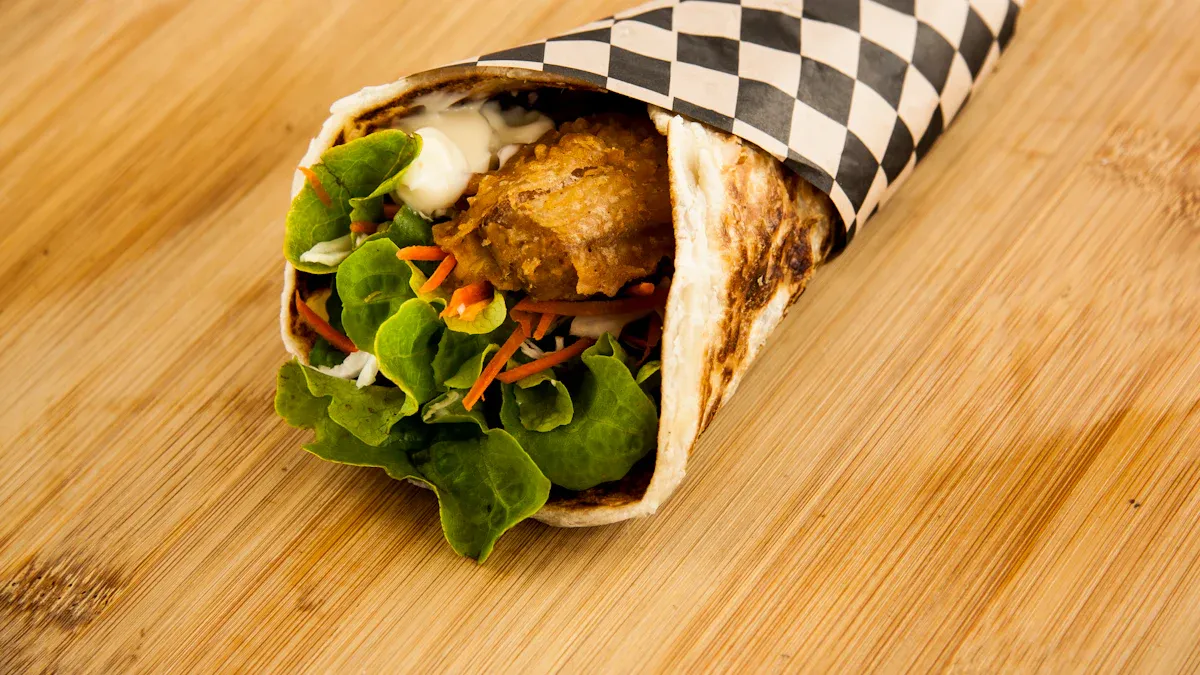
People use wax paper a lot to store food. More than half of all wax paper is used for food packaging. This means many people trust it to keep food fresh and safe. Waxed paper blocks moisture and grease from getting to your food. It is safe for food and simple to use.
Here are some foods you often keep with wax paper and the reasons why:
Sandwiches: Wax paper keeps them dry and stops them from getting soggy.
Baked goods: It stops food from sticking and keeps it fresh.
Cheese: The paper lets cheese breathe but still keeps it fresh.
Candies: The non-stick side makes wrapping candy easy.
You can wrap your lunch, line a container, or keep cookies apart. Waxed paper is safe for food, so you do not need to worry about chemicals. It is also easy to fold and cut, so wrapping food is fast and tidy.
Tip: Wax paper breaks down in nature. Using it for food storage helps cut down on plastic trash.
Waxed paper is not just for food. Many businesses use it to protect things when storing or shipping. Wax paper keeps metal parts from rusting. It also helps packaging stay dry. These features make waxed paper a smart and cheap choice for packing things.
You can also use wax paper for crafts and fun projects. It is good for wrapping gifts, making art, or as a surface for painting and glue. The table below shows how wax paper works for food and crafts:
Use Case | Food Storage | Crafts and Packaging |
|---|---|---|
Freshness | Keeps food fresh | Used for making decorations and packaging |
Convenience | Easy to wrap sandwiches, cheese, and baked goods | Handy for crafts and wrapping gifts |
Eco-friendliness | Breaks down and can be composted, less plastic waste | Good for people who want eco-friendly crafts and packaging |
Waxed paper is useful in the kitchen and for other things. You can count on it for wrapping food, protecting items, and making crafts.
You might think wax paper and parchment paper are the same. They look alike, but they work differently in the kitchen. The biggest difference is in their coatings and how they react to heat.
Here is a table that shows how they are different:
Property | Parchment Paper | Wax Paper |
|---|---|---|
Coating | Silicone | Paraffin or Soybean Wax |
Heat Resistance | Yes (suitable for baking) | No (melts at low temperatures) |
Use in Oven | Yes | No |
Parchment paper has a silicone coating. This makes it safe for baking and cooking with heat. You can put it in the oven and it will not melt. Wax paper is covered with paraffin or soybean wax. This wax makes it non-stick, but it cannot take heat.
Tests show wax paper is not safe in the oven. The wax melts when it gets hot and could even catch fire. Parchment paper can handle heat up to 420 degrees Fahrenheit. You can use it for baking cookies, roasting veggies, or lining pans.
Pick wax paper or parchment paper based on what you need. Here are some easy tips:
Use wax paper for:
Wrapping sandwiches or snacks
Lining containers for cold foods
Keeping baked goods or candies apart
Use parchment paper for:
Baking cookies or cakes in the oven
Roasting veggies or meats
Any cooking that needs heat resistance
Note: Waxed paper is great for cold, non-stick uses. Parchment paper is best for anything that goes in the oven.
To stay safe, remember:
Parchment paper is safe in the oven up to 425°F.
Waxed paper can melt or smoke if it gets too hot.
Wax Paper vs Parchment Paper.If you pick the right paper, your food will stay fresh and your kitchen will be safe.
Wax paper is special because it does not let food stick. It also keeps out water and can be used in many ways. Makers use different ways to put wax on the paper, like wet waxing or rolling it on. Sometimes, they use laminating too. This makes wax paper strong and useful in homes and businesses. You can use wax paper to keep food fresh or to roll out dough. It is also good for storing snacks. More people want packaging that is better for the earth. Wax paper is a smart choice because it helps the planet and works well. Pick the best paper for what you need. This will help you keep your kitchen clean and safe.
You use wax paper for wrapping food, lining containers, and keeping snacks fresh. It works well for sandwiches, cheese, and baked goods. You can also use it for crafts or as a non-stick surface when making candy.
You should not put wax paper in the oven. The wax coating can melt or catch fire at high temperatures. Use wax paper only for cold or room-temperature food storage.
Yes, wax paper is safe for food storage. Manufacturers use food-grade waxes like paraffin, soy, or beeswax. These materials meet strict safety standards for direct contact with food.
Feature | Wax Paper | Parchment Paper |
|---|---|---|
Coating | Wax | Silicone |
Heat Resistant | No | Yes |
Best Use | Food storage | Baking |
You use wax paper for wrapping and storage. You use parchment paper for baking.


