
Views: 0 Author: Site Editor Publish Time: 2025-07-24 Origin: Site

Have you ever wondered why people are putting aluminum foil in their dishwashers? This viral trend has been sweeping through TikTok and social media, sparking curiosity. People are using crumpled aluminum foil to clean their silverware and dishes, claiming to restore shine and remove tarnish.
In this post, we’ll explore the science behind this clever hack. You’ll learn how it works and whether it’s actually worth trying in your own dishwasher.
When you toss a crumpled ball of aluminum foil into your dishwasher, a chemical reaction occurs. This reaction happens between the foil, the detergent, and hot water. It’s all thanks to a process known as “ion exchange.” But what exactly is it, and how does it help clean your silverware?
Baking soda, a common ingredient in dishwasher detergents, plays a key role in making the whole process work. When combined with hot water, it boosts the effectiveness of the aluminum foil, helping to lift tarnish from silverware and utensils.
Ion exchange is a chemical process where ions are swapped between substances. In this case, tarnish on silverware—mostly made of silver sulfide—interacts with the aluminum foil. The aluminum has a strong preference for sulfur atoms, so it "pulls" the tarnish off the silver.
The baking soda in the detergent helps by moving electrons between the foil and silverware, speeding up the reaction. The result? Your silverware looks shiny again!
Yes, hot water plays a huge role in this process. The heat helps the reaction move faster by making the detergent and aluminum foil more reactive. Hot water also helps dissolve the tarnish, which makes the entire process more efficient.
Steam from the hot water further accelerates the cleaning action. It helps break down stubborn tarnish and boosts the effectiveness of the chemical reaction. All of this works together to restore the shine to your silverware, making them look as good as new.
Aluminum foilworks wonders on silverware and metal utensils. The chemical reaction between the foil and dishwasher detergent helps lift tarnish, especially on silver and silver-plated items. However, this doesn’t work well on other types of metal, like stainless steel.
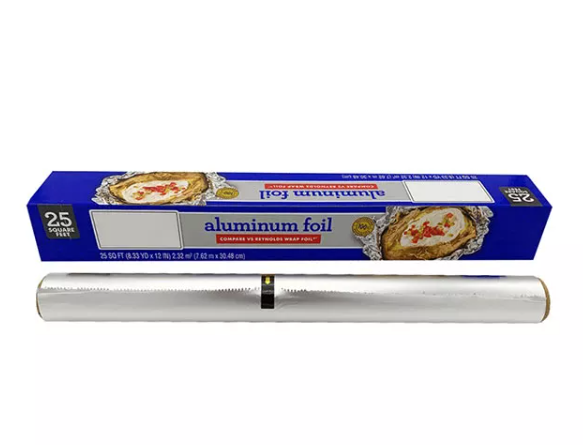
For best results, make sure the foil is in close contact with your silverware during the wash cycle. Without this direct contact, the cleaning effect won’t happen as efficiently.
While aluminum foil is great for silverware, it doesn’t do much for glassware. Contrary to what some might believe, this hack won’t improve cloudy glasses or remove hard water stains. The chemical reaction doesn’t affect minerals that cause these issues, so you won’t see much difference in your glassware.
If your glasses are cloudy, consider using vinegar or running a cleaning cycle with a dishwasher cleaner instead.
Aluminum foil can help with a few other things in the dishwasher. For example, it can prevent rust on metal utensils by creating a barrier between them and the dishwasher’s metal surfaces.
Some users also find that aluminum foil helps reduce water stains on glassware. But remember, this might not work for everyone, so you might need to try other methods if it doesn’t give you the results you want.
Start by crumpling a small piece of aluminum foil into a ball. The ball should be about the size of a ping-pong ball. This size works best because it’s big enough to interact effectively with the detergent but small enough not to bounce around too much.
Be sure the foil is tightly crumpled so it stays intact during the wash cycle and doesn’t scatter throughout the dishwasher.
Next, place the foil ball in the cutlery basket. It’s important to put it near the silverware, so the chemical reaction can work effectively. Make sure the foil is positioned securely, so it doesn’t shift or get dislodged during the cycle.
The more closely the foil stays in place, the better it will be able to interact with your utensils.
Now, run your dishwasher as you normally would. You can use a regular wash cycle for this. The aluminum foil, detergent, and hot water will work together to lift tarnish and improve the shine on your silverware.
Don't worry about setting special cycles, as a standard wash will do the job just fine.
Once the cycle is complete, wait a few minutes for the foil to cool down before removing it. Carefully check your silverware—it should be noticeably shinier and free of tarnish.
If needed, you can repeat the process for particularly tarnished pieces, but this method is generally effective after just one wash.
One of the biggest benefits of using aluminum foil in your dishwasher is its ability to restore the shine of tarnished silverware. The chemical reaction between the foil, detergent, and hot water helps lift tarnish off silverware. This leaves your spoons, forks, and knives looking bright and shiny again—just like new.
Aluminum foil is a budget-friendly alternative to expensive commercial cleaners. You don’t need to buy special tarnish removers when you can simply use a small piece of foil. Plus, it’s eco-friendly. Reusing aluminum foil reduces waste, and by avoiding chemical cleaners, you’re also making a greener choice for your home.
Aluminum foil also helps protect your utensils from scratches and rust. By preventing direct contact between your silverware and the dishwasher’s metal interior, it creates a soft barrier. This minimizes wear and tear, helping your utensils last longer and stay in better condition.
While aluminum foil can work wonders for silverware, it’s not effective on all types of dishes. It doesn’t help with ceramic, glass, or aluminum utensils. These materials don’t react in the same way as silverware, so you won’t see any cleaning benefits.
If you need to clean cloudy glasses or remove hard water stains, you’ll need other methods, such as using vinegar or a specialized dishwasher cleaner.
There are some concerns about aluminum foil potentially causing problems in your dishwasher. Small particles of foil can break off during the wash cycle and end up in the dishwasher filter. Over time, this buildup could reduce the dishwasher’s cleaning efficiency.
To avoid this, make sure the foil is securely placed and doesn’t get dislodged. It’s also a good idea to clean your dishwasher filter regularly to prevent any buildup.
Using aluminum foil too often can also cause wear and tear. Over time, the foil can degrade, and you might not see the same results with frequent use.
Experts recommend using this method only when necessary—say, once every couple of weeks or when your silverware looks especially tarnished. This helps maintain the effectiveness of the hack while minimizing any potential damage.
Cleaning experts have weighed in on this popular hack. They agree that aluminum foil can help clean silverware, restoring its shine and removing tarnish. However, they also point out that this method doesn’t work for glassware or ceramic items. For these materials, the foil’s chemical reaction just doesn’t have the same effect.
Experts also note that while the hack can work wonders for silverware, it's not a one-size-fits-all solution for all types of dishes.
When it comes to safety, experts reassure that aluminum foil is generally safe to use in your dishwasher. As long as it’s used properly—securely placed in the cutlery basket—it poses no risk to your dishwasher.
The foil won’t cause damage to the appliance or its components, and it won’t harm your silverware either. Just remember to clean your dishwasher filter regularly to avoid any potential buildup of foil particles over time.
If you’re looking for a more natural way to clean your dishwasher, baking soda and vinegar are great options. Baking soda works wonders for breaking down hard water stains and removing lingering odors. Vinegar, on the other hand, can help dissolve mineral deposits and clean cloudy glassware.
To use these ingredients, sprinkle a bit of baking soda on the bottom of your dishwasher and add a cup of vinegar to the top rack. Run a regular cycle to leave your dishwasher sparkling clean.
For deeper cleaning, commercial dishwasher cleaners like pods or tablets can be effective. These cleaners are specially designed to remove grease, food residue, and mineral buildup. They can help restore the dishwasher’s performance and keep it running smoothly.
Dishwasher cleaner pods are easy to use—just drop one into the detergent compartment and run a cycle. These cleaners are a reliable option for regular maintenance and ensuring your dishes come out spotless.
Using aluminum foil in your dishwasher can restore shine to silverware and reduce tarnish. It’s cost-effective and eco-friendly. However, it only works for certain materials, like silverware, and might not help with glassware or ceramics. Be mindful of overuse and regular maintenance. Give the aluminum foil trick a try in your next wash.
A: Yes, if used properly—ensure the foil is securely placed and doesn’t obstruct the spray arms.
A: It works best with silver and silver-plated utensils. Avoid using it with aluminum cookware.
A: Experts recommend using aluminum foil once every few weeks for the best results.
