
Views: 0 Author: Site Editor Publish Time: 2025-09-18 Origin: Site


Cooking with an air fryer promises crisp, golden results without the mess of deep frying. Yet many home cooks discover their fries come out limp, their chicken skin looks steamed, or baked goods turn out uneven. One surprising culprit is often overlooked — the liner. A non-stick Air Fryer liner is designed to protect the basket and make cleanup easier, but it can also interfere with airflow and heat transfer if not used correctly. Understanding the role of different liner types and adjusting your cooking techniques can restore that perfect crunch. Zhejiang Times Beyond New Material Technology Co., Ltd., a trusted supplier of parchment paper, aluminum foil, and disposable air fryer liners, provides solutions that help customers balance convenience with crisp results.
This is one of the most common complaints. You pull out a basket of fries, and the top looks perfect, but the bottom layer is soft and pale. This happens when hot air is circulating above but steam gets trapped below the liner. Solid parchment or foil can act like a lid underneath, holding in moisture instead of letting it escape. The food ends up steaming instead of crisping.
Air fryers are valued for quick cooking, but liners can slow things down. Without direct contact between the basket and the food, heat conduction is reduced. Even a thin sheet of paper or foil adds an extra barrier. If your chicken wings are taking several minutes longer than recipes suggest, your liner might be the reason.
Another sign is patchy coloring — parts of your food are dark brown, while others remain underdone. This often means airflow is inconsistent. A flat liner that blocks the perforated basket holes disrupts the even circulation pattern that makes air fryers work so well. Some areas receive plenty of hot air, while others are insulated.
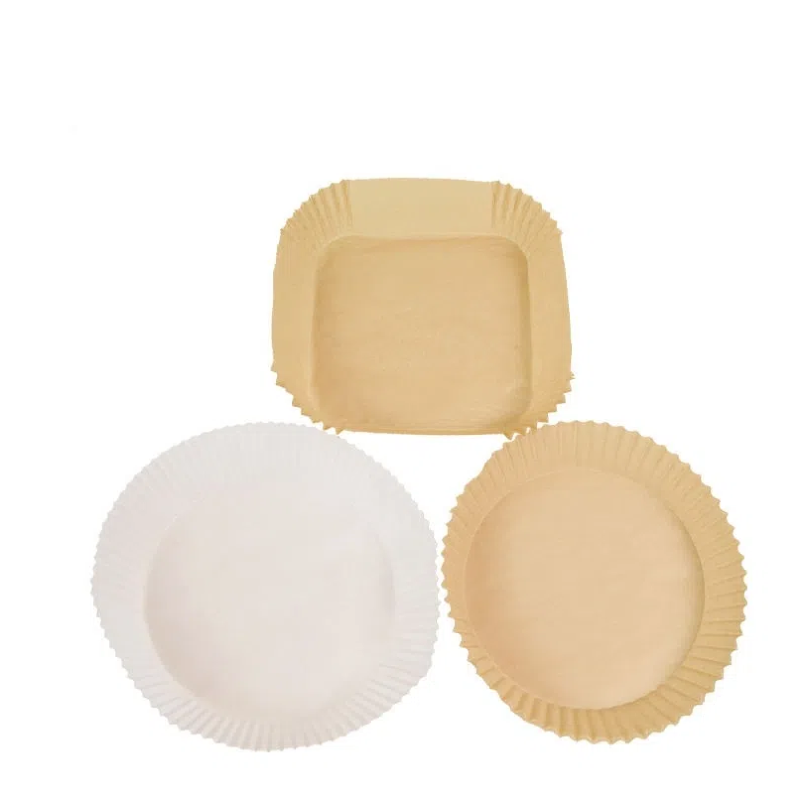
Parchment paper air fryer liners are grease-resistant, heat-safe, and excellent for reducing mess. However, parchment is not conductive like metal. That means the basket cannot transfer heat directly to the food through contact. If the parchment is solid with no perforations, it further blocks air exchange. The result is food that cooks through but lacks the golden, crunchy finish people expect.
The wire mesh or perforated tray of an air fryer basket isn’t just for drainage — it’s part of the cooking design. The holes allow superheated air to flow around every surface of the food. When you place a non-stick Air Fryer liner over the basket, those pathways are sealed off. The food loses the double benefit of conduction from the metal and convection from circulating hot air. While this makes cleanup easier, it can reduce browning.
Aluminum foil air fryer liners behave differently than parchment. Foil conducts heat more effectively, which can help browning, but if it covers the basket completely, it traps grease and steam. The key is shaping foil so that the sides are open and air can still circulate. Done correctly, foil is great for saucy foods like ribs or casseroles. Done poorly, it causes the same sogginess problem as paper.
If you’re unsure whether your liner is causing problems, perform a simple experiment. Cook a small portion of the same food twice — once directly on the basket, once with the liner. Keep temperature and time identical. If the batch without the liner is noticeably crispier, airflow restriction is likely the cause.
Perforated silicone mats or parchment liners with holes are designed to solve this issue. They allow hot air to circulate freely while still protecting the basket. Another practical trick is hybrid cooking: start your dish on a liner to contain grease and crumbs, then remove the liner during the last 3–5 minutes to maximize crisping. Many home cooks find this combination gives the best of both worlds.
Instead of solid sheets, look for air fryer paper liners with pre-punched holes. If yours are plain, you can quickly make your own with a hole punch. This small change makes a big difference in how air circulates, especially for foods like fries or nuggets that need maximum airflow.
Even with a perforated liner, overloading the basket causes steam buildup. Too many fries pressed against each other and the liner create pockets where air can’t reach. Cooking smaller batches may take a little longer overall, but the improvement in texture is worth it.
Moisture is the enemy of crispiness. With a liner, steam has fewer escape routes, so breaking cooking into shorter intervals gives it a chance to dissipate. Pausing midway to flip or shake food also exposes more surface area to the circulating air, evening out browning.
Another useful approach is combining a liner with a small metal rack inside the fryer. This lifts food slightly above the liner, restoring airflow underneath while still catching grease. Accessories like mesh trays or layered racks can increase exposure to heat while reducing sticking.
Foods that rely entirely on surface drying and high airflow — like thin-cut fries, chips, or puff pastry — do best without liners. In these cases, it’s better to sacrifice easy cleanup for maximum crispness.
For messy or saucy foods, consider shaping aluminum foil into a tray that covers only part of the basket, leaving the sides open. This way, grease is contained but airflow isn’t blocked. Tongs also make it easy to flip sticky items halfway through, reducing the need for a liner at all.
Disposable air fryer liners are convenient for quick cleanup, especially when cooking oily foods. Reusable silicone liners, however, offer long-term value and often come with perforations built in. Choosing the right option depends on what you cook most often — and whether crispiness or convenience is your top priority.
Identify your liner type: solid parchment, perforated paper, aluminum foil, or silicone.
Run a side-by-side test with and without a liner to compare results.
Reduce food quantity in the basket to allow better air circulation.
Flip or shake food during cooking to avoid soggy undersides.
For the crunchiest finish, remove the liner in the last few minutes or use a perforated option.
Preheat the air fryer: Starting with a hot basket reduces condensation on the liner.
Pat food dry before cooking: Excess moisture makes sogginess worse.
Light oil spray: Even when using a non-stick Air Fryer liner, a mist of oil promotes browning.
Match liner type to food: Parchment works well for baked goods, foil for saucy dishes, silicone for everyday frying.
Rotate basket position: Some air fryer models heat unevenly; rotating ensures all areas get airflow.
A non-stick Air Fryer liner makes cooking and cleanup simple, but when crispiness suffers, it’s usually a matter of airflow and heat transfer. By choosing perforated liners, managing food load, and adjusting cooking techniques, you can enjoy both convenience and crunch. Zhejiang Times Beyond New Material Technology Co., Ltd. manufactures premium air fryer paper liners, parchment air fryer liners, aluminum foil air fryer liners, and disposable air fryer liners designed with airflow and durability in mind. For reliable, food-safe, and performance-tested products that fit your kitchen needs, contact us today and discover how the right liner can improve every air-fried meal.


